
About Two Oceans Aquarium in Cape Town, South Africa: Exhibits, Experiences, and Attractions
Right at Cape Town’s lively V&A Waterfront, you’ll find the Two Oceans Aquarium—one of South Africa’s top marine attractions. It’s a place where the Atlantic and Indian Oceans meet.
Since opening back in November 1995, the aquarium has drawn in visitors with over 3,000 marine animals and more than 200 species from the region’s waters. It’s a bit wild to think about how much life is tucked into those tanks.
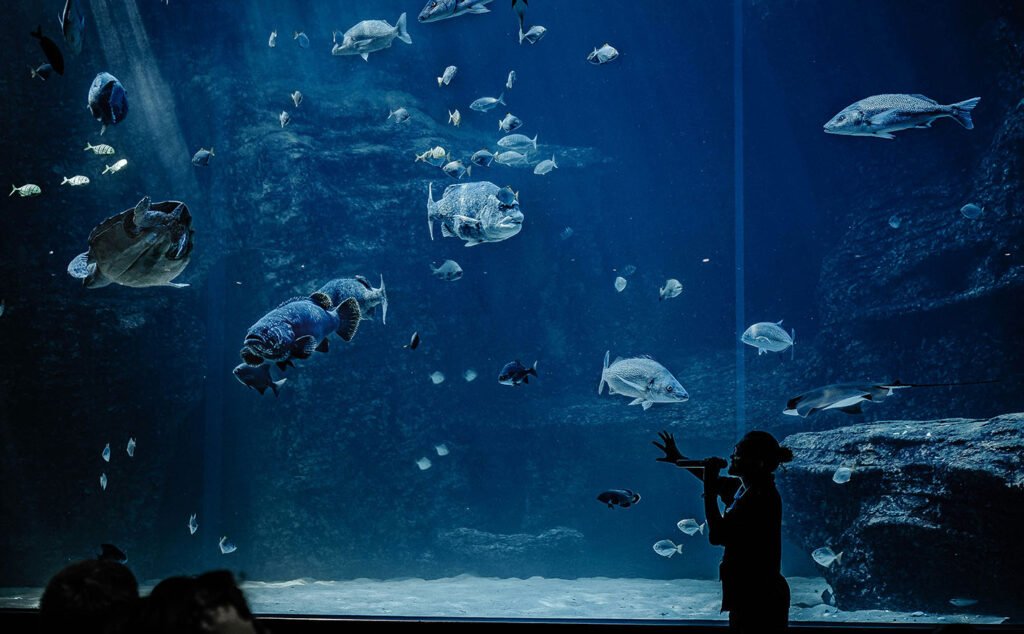
The aquarium’s galleries let you wander through worlds of tiny sea creatures, vibrant reef fish, sharks, penguins, and the occasional endangered turtle. You can check out interactive exhibits, catch a feeding demo, or even take a dive into the predator tank if you’re feeling brave.
It’s not just about entertainment, though. The aquarium is a hub for marine conservation, research, and education. They manage to blend jaw-dropping displays with real conservation work.
Overview of Two Oceans Aquarium
The Two Oceans Aquarium is a Cape Town icon, opening its doors in 1995 at the Victoria & Alfred Waterfront. The spot where two oceans meet feels like the perfect place for a sanctuary that houses over 8,000 sea creatures across specialized galleries.
Location and Accessibility
You’ll find the aquarium right at the V&A Waterfront in Cape Town, Western Cape. This is pretty much the southern tip of Africa, where the Atlantic and Indian oceans actually converge.
Getting there’s a breeze thanks to public transport and nearby parking. The whole waterfront is buzzing, so you can easily pair your visit with shopping, food, or just people-watching.
It’s a favorite hangout for both tourists and locals. For anyone into marine life, the setting is extra special—this is where two major ocean systems collide, and the aquarium really leans into that with its exhibits.
History and Mission
November 13, 1995—that’s when the Two Oceans Aquarium officially opened up. From the start, it’s been about marine education and conservation, showing off the unique life found at the ocean’s crossroads.
The mission? Inspiring people to care about healthy, thriving oceans. That focus on conservation shapes everything, from the displays to the educational programs.
There’s also the Two Oceans Aquarium Foundation, which backs up the conservation work and outreach. Their efforts stretch well beyond the aquarium’s walls, reaching into research and protection projects.
Over time, the place has grown into a certified PADI Dive Resort, thanks to its dive school. Now, visitors can get in on the action—not just watch from behind glass.
Aquarium Layout and Facilities
The aquarium’s spread out across several galleries, each with big viewing windows and custom habitats. There are over 8,000 marine animals from both the Atlantic and Indian Oceans—so, yeah, it’s a lot to take in.
Major Exhibition Areas:
- I&J Ocean Exhibit: 1.6 million liter tank with a 10-meter tunnel
- Save Our Seas Foundation Shark Exhibit: Ragged-tooth sharks and interactive viewing
- Kelp Forest Exhibit: Underwater forest with giant sea bamboo
- Penguin Exhibit: Home to African and rescued rockhopper penguins
- Diversity Gallery: Species from both warm and cold ocean currents
The Microscope Exhibit is pretty cool—digital projection gives you a close-up look at tiny marine creatures. You get to see all sorts of behaviors you’d probably never notice otherwise.
There are also touch pools, educational programs for all ages, and a dive school for anyone wanting to get certified or dive in the tanks. It’s hands-on, not just look-but-don’t-touch.
The Unique Oceans: Atlantic and Indian
Cape Town sits where the Atlantic and Indian Oceans meet, and that creates two totally different marine worlds. The contrast is kind of mind-blowing if you stop to think about it.
Geographic Significance
Cape Agulhas is the official spot where the two oceans come together at Africa’s southern tip. This split gives South Africa two distinct coastal environments.
The cold Benguela Current runs north along the west, bringing up chilly Atlantic water. It’s nutrient-rich thanks to upwelling, which means lots of fish and a thriving ecosystem.
Meanwhile, the Agulhas Current sweeps warm Indian Ocean water down the east coast. It’s one of the strongest currents in the world, keeping things nice and toasty all year.
In summer, strong south-easterly winds make that Atlantic upwelling even more intense. The result? Some of the world’s richest fishing grounds.
The differences in temperature and nutrients between the two oceans create wildly different habitats. The Atlantic side has dense populations but fewer species, while the Indian Ocean is all about diversity.
Showcasing Marine Biodiversity
South African waters are home to around 2,200 fish species, making up about 15% of all marine fish worldwide. Up to 13% are found nowhere else—so, yeah, it’s a biodiversity hotspot.
Atlantic Ocean exhibits highlight cryptic fish, jellies, and camouflaged creatures like the common octopus. The Knysna seahorse is a local celebrity, and there are plenty of shysharks, too.
Indian Ocean displays are a riot of color, featuring butterflyfish, damsels, angelfish, and the always-popular clownfish. The coral reef tanks are especially eye-catching.
The cold Atlantic supports kelp forests and big schools of pilchards and anchovies, which are perfect for Cape fur seals and African penguins. It’s a whole ecosystem in motion.
On the Indian Ocean side, competition is fierce—limited reef space and lots of predators mean fewer individuals per species, but the variety is off the charts.
Signature Exhibits and Galleries
The aquarium’s signature galleries shine a light on both Atlantic and Indian Ocean ecosystems. Some are immersive, others are more about the tiny details you’d never spot at the beach.
Kelp Forest Exhibit
The Kelp Forest Exhibit brings South Africa’s wild kelp forests indoors. Tall kelp sways in the current, creating a canopy where all sorts of creatures hide out.
Atlantic fish wind their way through the kelp stems, and the water’s kept cool to keep the plants happy. It’s surprisingly mesmerizing to watch.
Key Species Featured:
- Cape fur seals
- Red roman fish
- Hottentot fish
- Various kelp species
The big windows give you plenty of vantage points to catch fish darting through the kelp. It’s a reminder that kelp forests are nurseries for countless juvenile fish.
Lighting mimics underwater conditions at different depths, and the kelp itself is both shelter and food for the animals living there.
Diversity Gallery
The Diversity Gallery puts species from both oceans side by side in separate tanks. It’s a neat way to see just how different each environment can be.
Indian Ocean tanks are full of warm-water, colorful tropical fish. The Atlantic tanks, on the other hand, show off species adapted for chillier waters and different diets.
Ocean Comparison:
| Atlantic Ocean Species | Indian Ocean Species |
|---|---|
| Cape salmon | Angelfish |
| Galjoen | Moorish idols |
| Steentjie | Butterflyfish |
Touchscreens and info panels break down how water temperature and other factors affect marine life. There’s a lot to learn about the unique conservation challenges each ocean faces.
Interactive displays dive into details about feeding and breeding. It’s a lot more engaging than just reading a sign.
Microscope Exhibit
The Microscope Exhibit zooms in on the ocean’s tiniest residents. High-powered microscopes let you watch plankton, algae, and all sorts of microscopic critters live on screen.
You can play with the focus and magnification yourself. There are samples from both fresh and saltwater, so you get a bit of everything.
Featured Microscopic Life:
- Phytoplankton
- Zooplankton
- Marine bacteria
- Microscopic algae
Digital screens show live and magnified images side by side. The exhibit makes it clear how these tiny organisms are the base of the whole marine food web.
It’s easy to forget how much of the ocean’s magic starts with life you can’t see. The connection between the microscopic and the massive comes into focus here.
Sharks and Predators
The aquarium is famous for its shark collection, especially the Save Our Seas Foundation Shark Exhibit. Here, you’ll find ragged-tooth sharks, smaller shark species, and a variety of rays and stingrays.
Save Our Seas Foundation Shark Exhibit
This is the aquarium’s main predator tank, home to ragged-tooth sharks, giant yellowtail, and yellowbelly rockcod. The tank is massive—over 2 million liters—so the big predators get plenty of room to roam.
You can view the action through huge windows or take the spiral ramp for different angles. If you’re up for it, there are diving experiences starting from R500, where you can get in the water with the sharks (no cage needed).
These sharks are the stars of the show, helping shift people’s perceptions about predators. Some are tagged and released, contributing to ongoing scientific studies.
Ragged-Tooth Sharks
Ragged-tooth sharks are the big draw here. They’re native to local waters and can get impressively large, so seeing them up close is unforgettable.
The aquarium keeps a group of these sharks, letting visitors watch their natural behaviors. It’s fascinating to see how they interact with other predators in the tank.
Feeding demos give you a front-row seat to their hunting style. They share the space with smaller fish, making for a surprisingly balanced ecosystem.
If you’re a certified diver, you can even join them in the tank (with supervision, of course).
Other Shark Species
South Africa is a shark hotspot, home to over 100 species—that’s about a quarter of all shark species on earth. The aquarium shows off several locals in addition to the ragged-tooth sharks.
Smaller sharks like the pyjama catshark highlight the range of sizes and behaviors you’ll find here. Each species fills its own ecological niche.
The collection covers everything from big, showy sharks to the smaller, more secretive types. Every one of them plays a key role in keeping the marine ecosystem in balance.
Educational displays dig into why sharks matter, especially when it comes to conservation.
Stingrays and Rays
The ray collection is a nice complement to the shark tanks. These cartilaginous fish are related to sharks but have their own quirks.
Interactive experiences might include touch pools or close-up viewing areas where you can watch rays glide and feed. Their hunting habits are pretty different from sharks, which is fun to compare.
Displays break down the similarities and differences between sharks and rays—both are cartilaginous, but they’ve taken different evolutionary paths.
You’ll see ray species from both the Atlantic and Indian Oceans, so the local diversity is well represented.
Penguins and Birds
The aquarium is also home to two penguin species: African penguins and Northern rockhopper penguins. Their habitats are carefully managed, letting visitors get up close and personal while supporting important conservation work.
Penguin Exhibit
The aquarium's penguin exhibit gives you a peek into the lives of both African and Northern rockhopper penguin colonies. These spaces are set up to mimic real coastal habitats, with rocky ledges, chilly swimming pools, and carefully controlled climates.
Through big glass windows, visitors get a front-row seat to penguin antics. If you're feeling adventurous, the Penguin Experience lets up to two people go behind the scenes with a keeper and meet the birds up close.
This encounter runs Tuesday through Sunday at 8:30 AM and lasts about 75 minutes from start to finish. You'll need to be at least 8 years old and wear clothing you don't mind getting a bit wet or messy.
Experience Details:
- Duration: 30-minute encounter, 75 minutes total
- Group size: Maximum 2 participants
- Includes: Full aquarium entry for the day
- Requirements: 48-hour advance booking, health screening
African Penguins
The African penguin colony is home to one of the world's most endangered penguin species. Exciting news—there was a successful breeding for the first time in over ten years, with new chicks arriving in March 2025.
In the wild, these penguins are struggling, mostly due to habitat loss and vanishing fish stocks. The aquarium works on conservation programs and tries to get more people thinking about what these birds are up against.
They team up with groups like SANCCOB (Southern African Foundation for the Conservation of Coastal Birds) to help with rescue and rehab. Visitors can pick up info on wild penguin threats and what’s being done to help.
Northern Rockhopper Penguins
The Northern rockhopper penguins here started out as stranded birds on southern Cape beaches. SANCCOB nursed them back to health, but since they can't safely go back to the wild, they ended up at the aquarium.
Rockhoppers get their name from their knack for climbing cliffs and hopping around rocky islands. Their wild yellow crests aren’t just for show—they help penguins spot each other underwater and catch a mate on land.
You'll see them hopping, socializing, and just doing their thing. They aren’t trained performers, so if they feel like interacting during the penguin experience, they will—but sometimes, they’re just not in the mood. Fair enough.
Turtles, Fish, and Other Marine Life
The Two Oceans Aquarium is packed with marine life from both the Atlantic and Indian Oceans. You’ll spot green sea turtles in recovery, clownfish darting through reefs, and glowing jellyfish swirling in their tanks.
Green Sea Turtles
Green sea turtles here are part of the Turtle Conservation Centre's rehab program. Most arrive stranded and get medical care in hopes of returning to the ocean someday.
There are juveniles and bigger adults, all swimming in tanks built for their size and habits. The staff keeps a close eye on their health and swimming as they recover.
The "Rescue, Rehabilitate, and Release" mission guides everything they do. Not every turtle can go back to the wild—some become permanent residents and help teach visitors about turtle biology and movement.
Western Clownfish and Clownfish
Western clownfish are one of the flashiest local fish you’ll see here, sporting that iconic orange-and-white look. They live in carefully crafted reef tanks alongside their sea anemone partners.
Different clownfish species get their own tanks, since each has its own needs. Water temperature, salinity, and lighting are tweaked to match what they’d get in the wild.
Feeding demos are a regular thing, showing off how clownfish interact with their anemones and move through the reefs. It’s more entertaining than you’d think.
Translucent Jellies and Anemones
The jellyfish displays are almost hypnotic—translucent jellies drifting in cylindrical tanks, with lighting that really shows off their delicate tentacles.
The species on display change with the seasons and breeding luck. Each needs just the right water flow and feeding schedule to thrive.
Sea anemones cling to rocks in the reef tanks, waving their tentacles to catch food and sometimes hosting clownfish. Specialized filtration systems keep the water clean for both the drifting jellies and the stationary anemones.
The staff checks water chemistry daily—it’s a science in itself.
Interactive Experiences
The aquarium isn’t just for looking—there are hands-on experiences where you can touch marine creatures or watch them being fed. These moments stick with you long after you leave.
Touch Pool and Children's Activities
The Touch Pool is the go-to spot for hands-on exploration. Staff are always around to make sure everyone (including the animals) stays safe.
Kids and adults can touch sea anemones and feel their odd, sticky texture. There are also shells to pick up and examine—simple, but oddly satisfying.
Interactive elements include:
- Live sea anemones for tactile exploration
- Various shell specimens for handling
- Educational materials explaining marine biology
- Staff-guided demonstrations throughout the day
Handwashing before and after is a must, both for your health and the animals’. During sessions, staff share cool facts about the creatures and answer questions—sometimes they even get stumped, but that’s half the fun.
Penguin Feeding and Meet-and-Greets
The penguin colony stars in scheduled feeding demos. These happen several times a day, but it’s smart to book ahead if you want a good spot.
During feeding, you’ll see African penguins up close while staff talk about their diet, quirks, and the bigger conservation picture.
Penguin experience highlights:
- Feeding times: Multiple daily sessions
- Educational talks: Marine biologist presentations
- Photography opportunities: Close-up viewing during feeding
- Conservation information: African penguin protection efforts
There’s also info about breeding and rehab programs. Staff share stories about individual penguins, each with their own personalities—some shy, some total show-offs.
Two Oceans Aquarium Dive School
The Two Oceans Aquarium Dive School is a certified PADI five-star center, offering a range of training programs and some pretty wild underwater experiences in the aquarium itself. Courses cover all ages and skill levels, with options for diving right into the big tanks.
PADI Diving Courses
There’s a full menu of PADI-certified courses. Beginners can try the Discover Scuba Diving experience first, which is a low-pressure way to see if diving is your thing.
Available PADI Courses:
- Open Water Diver certification
- Advanced Open Water Diver (ages 12 and up)
- Specialty diving courses
- Professional development programs
Most courses are open to anyone 10 and up, but some need you to be at least 12. All are taught by seasoned PADI instructors, with a mix of classroom and practical training.
The school’s PADI Dive Resort status means they stick to global standards—no shortcuts here.
Scuba Diving in the Exhibits
Divers get access to three of the aquarium’s largest exhibits, making for a surreal underwater adventure surrounded by southern Africa’s marine life.
It’s all in a controlled environment, so you can get close to fish, rays, and other creatures without worrying about currents or visibility. The tanks are designed to feel as close to the ocean as possible.
These dives are great for both newbies and seasoned divers. Plus, the clear water is a dream for anyone into underwater photography.
Beginner and Advanced Diver Programs
The dive school welcomes everyone, no matter your body type or experience. Beginner courses focus on safety, gear basics, and building confidence in the water.
More advanced divers can dive into specialty training—technical skills, conservation, advanced navigation, you name it.
Program Features:
- Small class sizes for personalized instruction
- Modern diving equipment provided
- Flexible scheduling options
- Combination of pool and exhibit training
Training isn’t limited to the aquarium. They also take students out to Cape Town’s local dive sites for a taste of real ocean diving, but with the safety net of their solid training.
Conservation and Education Initiatives
The Two Oceans Aquarium Foundation runs rescue, rehab, and education programs that reach deep into the community. From turtle rehab to teacher workshops, their work touches thousands of students across Cape Town.
Save Our Seas Foundation Partnerships
The aquarium partners with conservation groups to protect South Africa’s marine habitats. Focus areas include kelp forests, which are vital for so many ocean species.
Kelp forests, with their sea bamboo and algae, create underwater jungles where fish and invertebrates thrive. Western Cape rivers also play a big role, connecting the land to the sea—so keeping them clean is a priority.
They’re constantly gathering research data to spot threats and shape new protection strategies. It’s a never-ending process, but someone’s got to do it.
Marine Research and Rehabilitation
The Turtle Conservation Centre boasts an 85% release rate for rescued sea turtles. They care for all kinds and ages, adding to global knowledge about turtle rehab.
A Turtle Rescue Network keeps watch along the coastline, jumping in for rescues and providing temporary care until turtles can be brought to the main facility.
The Marine Wildlife Management Programme tracks animals around the V&A Waterfront, using data to minimize human-wildlife conflicts. There’s also the Urban Otter Project, launched in 2022, studying Cape clawless otters in city settings and figuring out how to keep both otters and people happy.
Environmental Education Programs
The Foundation’s education team reaches about 100,000 kids every year, visiting schools—especially in underserved areas—to teach about ocean conservation.
The Oceans Campus programme trains more than 400 teachers, giving them the tools to spread marine knowledge further. There’s also the #NOOW campaign, which spotlights the plight of African penguins and pushes for stronger conservation action.
All these efforts aim to connect people to the ocean and inspire real-world change, even if it’s just small steps at first.
Visitor Information and Membership
The Two Oceans Aquarium is open every day, with longer hours on weekends. It’s accessible to all, and annual memberships are available for those who want to come back again and again.
Opening Hours and Tickets
You can visit any day of the year—no random closures to worry about. Weekdays run 09:30 to 18:00, while weekends and holidays kick off earlier at 09:00.
Daily Operating Hours:
- Monday to Friday: 09:30 - 18:00
- Weekends & Holidays: 09:00 - 18:00
Ticket sales wrap up half an hour before closing. You can buy tickets at the door or keep an eye out for special deals online.
The schedule stays steady all year. If you’re not a fan of crowds, showing up early on weekends is your best bet—afternoons can get a bit packed.
Annual Membership Benefits
Annual membership means you can wander through exhibits of over 8,000 marine animals from South Africa’s coastal waters as often as you like. There’s no need to pay admission each time you visit—just show your card and you’re in.
The membership packages are tailored for families and ocean lovers who expect to come back more than once. You’ll get more than just entry, though—the extras are a nice touch.
Members skip the line during peak times and get invites to special events that aren’t open to everyone. If you plan on visiting a lot, the math works out in your favor compared to buying individual tickets each time.
Families with kids, especially, can take it slow—pop in for short visits and really explore, instead of trying to cram everything into a single, exhausting day.
Accessibility and Facilities
The aquarium’s built with accessibility in mind. There’s specialized flooring throughout, and you’ll find wheelchair-friendly paths everywhere you look.
Parking for visitors with mobility needs is right by the entrance, so you’re not trekking across a huge lot.
Available Facilities:
- Wheelchair-friendly pathways
- Accessible parking bays
- First-aid assistance station
- Nappy changing facilities
- Gift shop with marine-themed merchandise
Families with young kids will appreciate the first-aid services and baby changing stations. Every major exhibit stays accessible for those using mobility aids.
Staff get training to help out guests with special accessibility needs. Plus, the aquarium sits right in the V&A Waterfront, so dining and shopping are just steps away.
Heads up: there’s no storage for personal belongings at the visitor desk, so you’ll want to pack light or plan ahead.
Nearby Attractions and Cape Town Experiences
The Two Oceans Aquarium sits smack in the V&A Waterfront, putting you close to Cape Town’s best shopping and food. If you’re up for a day trip, Boulders Beach’s famous penguin colony and landmarks like Table Mountain aren’t far off either.
V&A Waterfront
The V&A Waterfront wraps around the aquarium and is basically Cape Town’s go-to spot for entertainment, shopping, and people-watching. There are over 450 shops, restaurants, and cafes—kind of hard to get bored here.
The Clock Tower Centre mixes luxury brands with quirky local crafts. Over at the Amphitheatre, you might catch a live concert or a cultural festival if your timing’s right.
Dining options run the gamut: grab fish and chips by the harbor or splurge on modern South African cuisine with a view. The scenery—Table Mountain and Robben Island in the background—never gets old.
If art’s your thing, the Zeitz Museum of Contemporary African Art is a must-see, set inside an old grain silo. There are also boat trips leaving from the marina to Robben Island or Seal Island throughout the day.
Boulders Beach and Penguins
Boulders Beach is about a 45-minute drive south, and it’s one of the only places you’ll see African penguins on the mainland. The viewing areas are set up so you can watch over 2,000 penguins doing their thing, without getting in their way.
Boardwalks wind through the colony, making it easy to get close (but not too close). Mornings and late afternoons are when the penguins are busiest, especially around feeding time.
Next door, Foxy Beach has calm coves for swimming, shielded by those giant granite boulders. You can spot penguins all year, but if you visit between February and August, you’ll catch the breeding season and all the action that comes with it.
Just up the road, Simon’s Town has a charming main street lined with Victorian buildings and antique shops. The South African Naval Museum is here too, and if you keep heading south, you’ll hit the Cape Point Nature Reserve in about 15 minutes.
Exploring Cape Town's Tourist Highlights
Table Mountain dominates Cape Town's skyline. There's a cable car that zips you up to the summit, where the city just sprawls out beneath you.
The flat top is crisscrossed with walking trails. If you're hungry, there's even a restaurant up there—though the real feast is that view.
Kirstenbosch Botanical Gardens is a lush sprawl of indigenous South African plants. It's massive—528 hectares, if you're counting—and the fynbos is everywhere you look.
Come summer, the gardens come alive with outdoor concerts. Honestly, it's the kind of place that makes you want to slow down and just breathe it all in.
Robben Island is a UNESCO World Heritage Site, steeped in heavy history. Former political prisoners, some of whom actually knew Mandela, lead the tours.
The ferry ride out there is part of the whole experience. Guided tours take you through the old apartheid-era prison, and it's hard not to feel the weight of it all.
Camp's Bay is where white sand meets the dramatic backdrop of the Twelve Apostles. The beach is gorgeous, but it's the lively strip of restaurants and bars that really draws a crowd.
Tourists and locals mingle here, especially when the sun dips low and the whole place just glows. It's got a bit of a buzz, if you ask me.
Bo-Kaap is a neighborhood that pops with color—think rows of bright Victorian houses. Cape Malay culture is woven into every corner, from cooking classes to mosque visits.
Walking tours here feel more like wandering through a living, breathing piece of history. It's a little chaotic and utterly charming.