
Bo-Kaap Neighbourhood in Cape Town, South Africa: History, Attractions, Culture
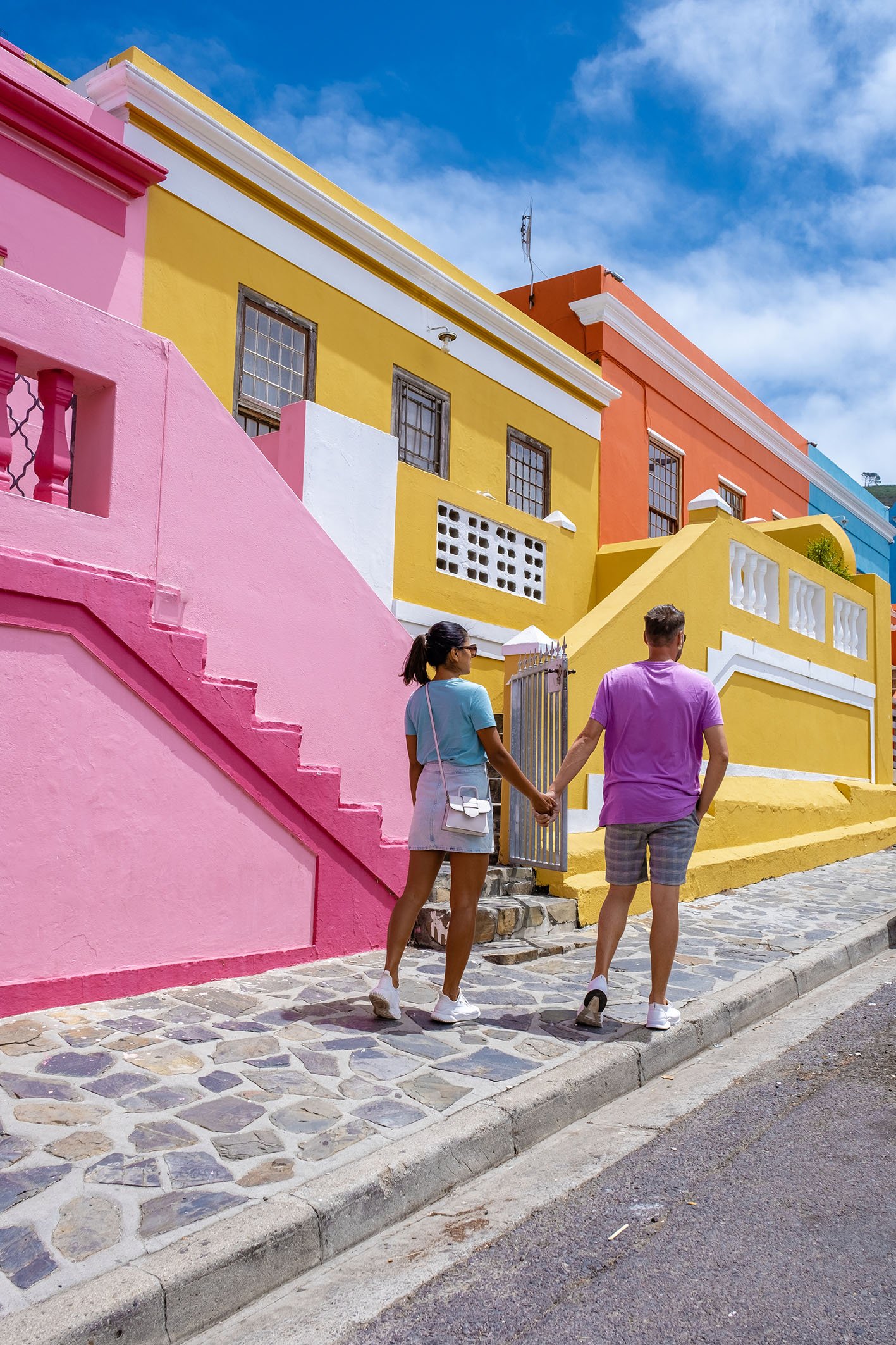
Bo-Kaap is Cape Town's most vibrant and historically significant neighborhood, famous for its rows of brightly colored houses along cobblestone streets on the slopes of Signal Hill.
This compact area, less than a square kilometer, sits at the heart of Cape Malay culture and remains the city's oldest surviving residential neighborhood, dating back to 1760.
People from all over the world come here, snapping photos of the colorful facades and soaking up the area's rich Muslim heritage.
The neighborhood has deep historical roots as a former home to skilled Muslim laborers, freed slaves, and political exiles from Southeast Asia and elsewhere.
Originally known as the Malay Quarter, Bo-Kaap grew into a multicultural community that held onto its traditions even during the tough apartheid years.
You'll find the largest collection of pre-1850 architecture in South Africa here, including the country's first mosque, built in 1794.
Visitors today can explore historic mosques, sample Cape Malay cuisine, pop into museums, and get a glimpse of daily life among residents who still maintain their customs.
The neighborhood offers a window into Cape Town's complicated past and highlights the resilience and cultural richness of its Cape Malay community.
Overview of Bo-Kaap Neighbourhood
Bo-Kaap is Cape Town's oldest surviving residential neighborhood, perched on the slopes of Signal Hill above the city center.
This historic district began in the 1760s as a home for skilled Muslim laborers and has become one of South Africa's most culturally layered spots.
Location and Accessibility
You'll find Bo-Kaap tucked between Signal Hill and Cape Town's bustling central business district.
The area covers just under a square kilometer and is home to about 3,200 people.
Key Geographic Features:
- Set above the city center
- Views of Table Mountain
- Borders major streets like Buitengracht and Strand Street
Cobblestone streets wind up the hillside, giving the place a distinct charm.
Bo-Kaap's small size makes it easy to explore on foot, and it's just a quick walk or drive from downtown.
Street Layout:
- Wale Street (historic main drag)
- Chiappini Street (residential stretch)
- Rose Street (connecting route)
- Shortmarket Street (commercial area)
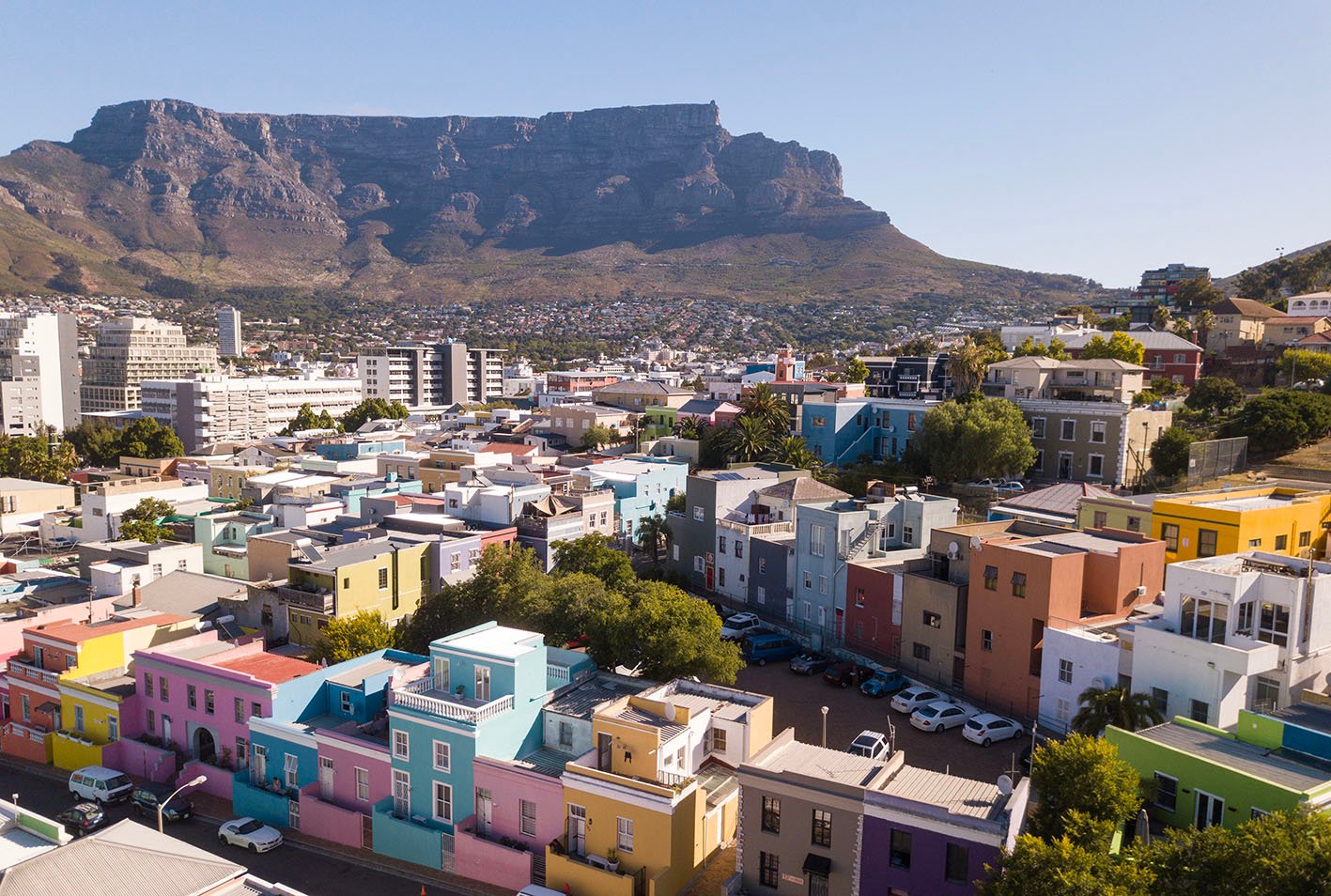
The district's elevated position means you get sweeping views of Cape Town and Table Mountain.
That’s actually where the name "Bo-Kaap" comes from—Afrikaans for "above the Cape."
Origins of the District
It all started in 1760, when Jan de Waal bought land at the base of Signal Hill, between Dorp and Wale Streets.
He began building small rental homes called "huurhuisjes" in 1763, leasing them out at first to his slaves.
Timeline of Development:
- 1760: Jan de Waal acquires the land
- 1763: First rental houses go up
- 1790-1825: Expansion with Cape Dutch and Georgian buildings
- 1794: Auwal Mosque constructed (South Africa's oldest mosque)
Skilled Muslim workers, known as Mardijkers, came from Southeast Asia to settle here.
The Dutch also brought slaves from Malaysia, Indonesia, and Africa, which is how it got the name "Malay Quarter."
The community really grew after 1820, when political exiles from Java and Ceylon arrived.
After slavery was abolished in 1834, more narrow, deep houses were built for freed slaves and their families.
Bo-Kaap became a hub for Cape Malay culture, with several mosques and the Tana Baru Cemetery, established in 1804 for Muslim families.
Historical Background of Bo-Kaap
Bo-Kaap’s history stretches back over 250 years, from Dutch colonial times through the rise of a unique Cape Malay community that weathered apartheid.
Founding and Early Settlement
The story begins in 1760 when Jan de Waal, sexton of the Groote Kerk, bought land on Signal Hill’s slopes.
Between 1763 and 1768, he built several small rental homes—"huurhuisjes"—on the property.
These homes were rented to freed slaves and free people of color.
It became South Africa’s first working-class housing estate, with a mix of Cape Dutch and Georgian styles.
The area was originally called Waalendorp, after its founder.
One of the first houses from that period still stands on Wale Street and now houses the Bo-Kaap Museum.
Cape Malay Community Origins
The Cape Malay community grew from people brought to the Cape Colony from Malaysia, Indonesia, and other parts of Africa during Dutch rule.
These folks arrived as slaves and skilled laborers, supporting the colony’s growth.
The community was always multi-ethnic and multi-lingual.
Many residents were Muslim and established the Auwal Mosque, the first official Muslim mosque in South Africa.
Families have lived in Bo-Kaap for generations, building a strong sense of heritage.
While "Cape Malay" was the term used historically, many now simply identify as South African Muslims.
Apartheid and Cultural Resilience
During apartheid, Bo-Kaap was marked as a racially segregated area.
The government enforced housing rules, even requiring houses to be painted white while residents were still renting.
Once residents could buy their homes, they painted them in bright colors—a bold statement of newfound freedom.
This is how the neighborhood got its famous look.
Through it all, the community preserved Cape Malay cooking, Islamic practices, and architectural styles.
This resilience helped Bo-Kaap remain Cape Town’s oldest surviving residential neighborhood.
Cultural and Religious Significance
Bo-Kaap is the cultural heart of Cape Town’s Cape Malay community, and Islamic traditions have thrived here for over 200 years.
The neighborhood is home to South Africa’s oldest mosque and hosts lively festivals that celebrate its Southeast Asian roots.
Cape Malay Heritage
The Cape Malay community is the backbone of Bo-Kaap’s identity.
Many residents are descended from the Mardijkers, skilled Muslim laborers from Southeast Asia who arrived in the 1700s.
They brought unique traditions from Malaysia, Indonesia, and beyond—things you can still spot in the food, architecture, and daily life here.
Key Cultural Elements:
- Traditional Cape Malay dishes—think spicy curries and sweet treats
- Brightly colored, flat-roofed houses
- Handcrafted furniture and decorative arts
- Close-knit, multi-generational families
Many families have called Bo-Kaap home for generations, keeping traditions alive through stories, recipes, and daily routines.
The community holds onto its identity with shared language, food, and religious practices.
Festivals and Local Traditions
Several major festivals bring Bo-Kaap to life each year.
During religious holidays, the neighborhood buzzes with music, feasting, and community gatherings.
Tweede Nuwe Jaar is a big one—colorful parades, traditional music, and costumes take over the streets.
Islamic holidays are marked by special meals and open homes, with neighbors and visitors joining in.
Traditional crafts like woodworking and textile arts are still practiced.
Local artisans pass these skills to the next generation, making sure they stick around.
Islamic Influence
Islam touches almost every part of life in Bo-Kaap.
About 57% of residents are Muslim, making it one of Cape Town’s most concentrated Islamic communities.
Auwal Mosque is especially important—it’s South Africa’s first mosque, built in 1794 by an Indonesian prince.
The mosque is still a community hub today.
There are several other notable mosques here, like the Nurul Islam Mosque from 1844.
These places aren’t just for worship—they’re vital community centers.
Islamic traditions shape the architecture, too.
Many homes have prayer rooms and courtyards, and the call to prayer rings out five times a day, giving the area its daily rhythm.
Architectural Features and Iconic Landmarks
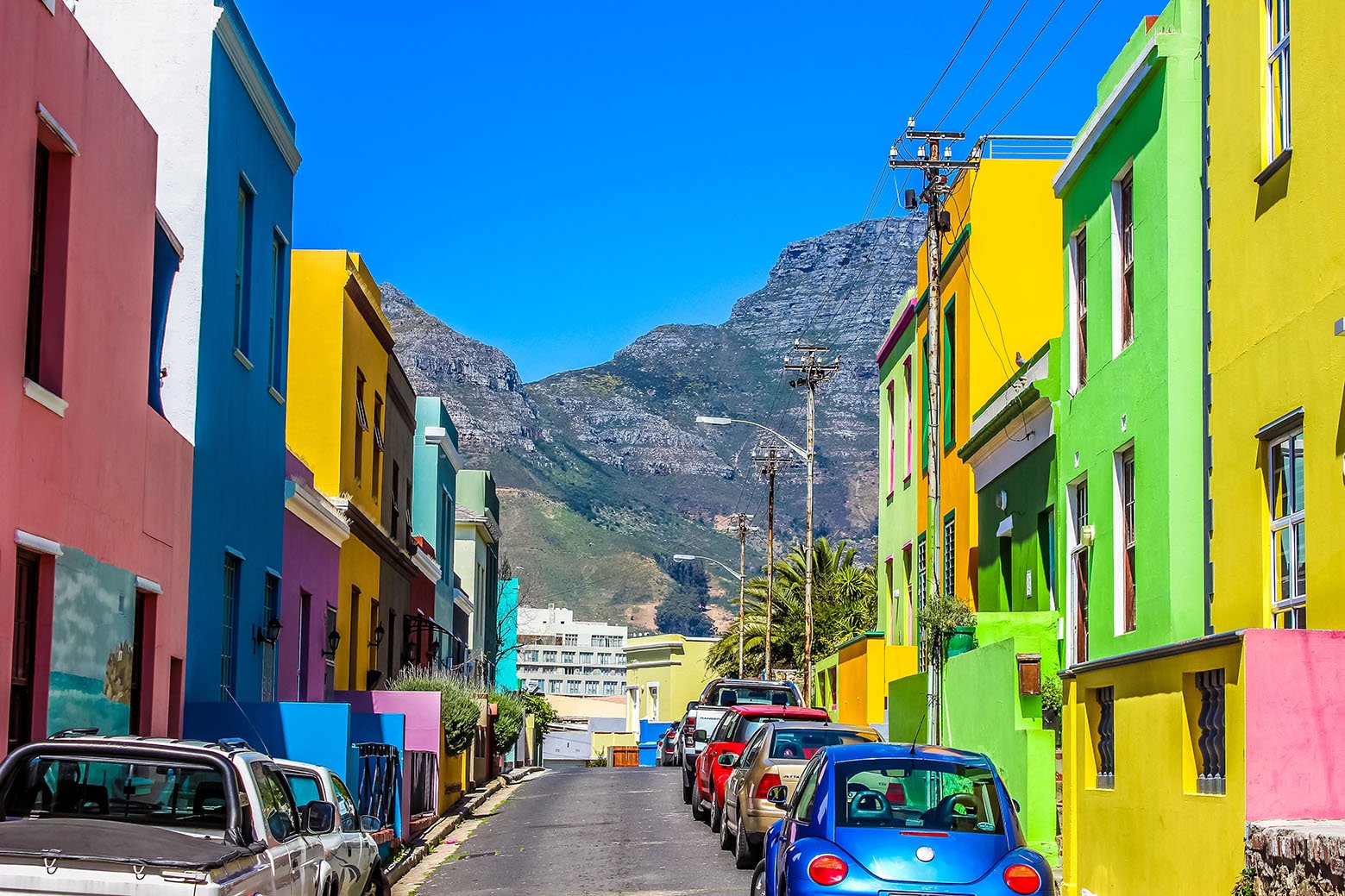
Bo-Kaap’s architecture is instantly recognizable—brightly painted, flat-roofed houses line the cobblestone streets up Signal Hill.
The neighborhood blends Cape Dutch and Georgian elements, creating a look you won’t find anywhere else in Cape Town.
Colorful Houses and Streets
The rainbow-colored houses are Bo-Kaap’s signature.
Flat roofs, bold blues, pinks, greens, and yellows—every street feels like a celebration.
Cobblestone streets twist up the hillside, adding to the old-world charm.
Many of these narrow roads haven’t changed in centuries.
Key architectural elements include:
- Flat roofs that suit the local climate
- Small windows with wooden shutters
- Simple, rectangular shapes
- Stoops—front steps leading to the door
The tradition of painting houses in bright colors goes deep.
Some say it started as a way to celebrate freedom after slavery, others think it helps families spot their homes among the rows.
Cape Dutch and Georgian Styles
Bo-Kaap’s buildings show Cape Dutch influence, brought by Dutch settlers in the 1600s and 1700s.
You see it in the flat roofs and clean lines.
Georgian touches—like window placement and doorway designs—came with the British in the early 1800s.
The blend makes Bo-Kaap’s architecture truly one-of-a-kind.
Traditional features include:
- Stoeps (raised front steps and porches)
- Wooden window frames, often painted in contrasting colors
- Simple doorways with decorative trim
- Thick walls made from local materials
Many original buildings from the 18th and 19th centuries are still standing.
The street grid follows the original colonial layout, so walking here feels like stepping into the past.
Notable Sites and Points of Interest
Bo-Kaap is packed with cultural and historical landmarks that highlight its Cape Malay heritage.
The main attractions include the oldest mosque in the country, a museum dedicated to local history, and some unique shopping stops.
Bo-Kaap Museum
The Bo-Kaap Museum is one of the neighborhood’s top cultural sites.
It’s housed in one of the oldest homes around, built back in the mid-1700s.
The building was declared a National Monument in 1965 and now forms part of the Iziko Museums of South Africa.
Museum Features:
- Original 18th-century architecture
- Exhibits on Cape Malay traditions
- Artifacts from the local community
- Stories of freed slaves and early Muslim settlers
The museum tells the story of how the community took shape after slavery was abolished.
Visitors can wander through rooms decked out in traditional Cape Malay style and get a sense of daily life here over the centuries.
Auwal Mosque
Auwal Mosque is South Africa's first official mosque. It was established in 1794 by Imam Abdullah Kadi Abdus Salaam.
The building sits on Dorp Street and is still an active place of worship. Its simple white facade stands out against the bright, colorful houses nearby.
Historical Significance:
- First mosque built in South Africa
- Founded by freed slave and religious leader
- Center of Islamic education and Arabic literacy
- Still serves the local Muslim community today
The mosque played a big part in preserving Islamic traditions during the Cape Colony era. Early religious leaders taught Arabic and Islamic studies here, keeping the culture alive.
Visitors can check out the mosque from the outside, but it's important to respect prayer times and local customs. The building really shows the deep roots of faith in the Bo-Kaap community.
The Noon Day Gun
The Noon Day Gun fires every day from Signal Hill, right above Bo-Kaap. This tradition dates back over 200 years, starting in 1806.
The cannon goes off at exactly noon, except on Sundays. Its echo bounces through Bo-Kaap's streets and across Cape Town—honestly, it's pretty hard to miss.
Originally, the gun helped ships in Table Bay get their clocks right. Now, it's a quirky tourist attraction and a local ritual that just keeps going.
If you're up for it, climb Signal Hill to watch the gun fire. The spot also gives you some fantastic views over Bo-Kaap's rooftops and the city center.
Monkeybiz and Local Boutiques
Bo-Kaap's narrow cobblestone streets are dotted with small boutiques and shops. They showcase local crafts and all kinds of Cape Malay culture.
Shopping Highlights:
- Handmade crafts and textiles
- Cape Malay spices and ingredients
- Local artwork and photography
- Traditional clothing and accessories
Many shops stock pieces made by local artisans. It's a good place to pick up authentic souvenirs and support the community at the same time.
The boutiques are full of bright fabrics, handwoven goods, and traditional cooking ingredients. Some focus on spice blends you won't find anywhere else.
Shopping here feels personal, and these small businesses help keep traditional crafts alive. It's a world apart from the big malls, honestly.
Cape Malay Cuisine and Food Experiences
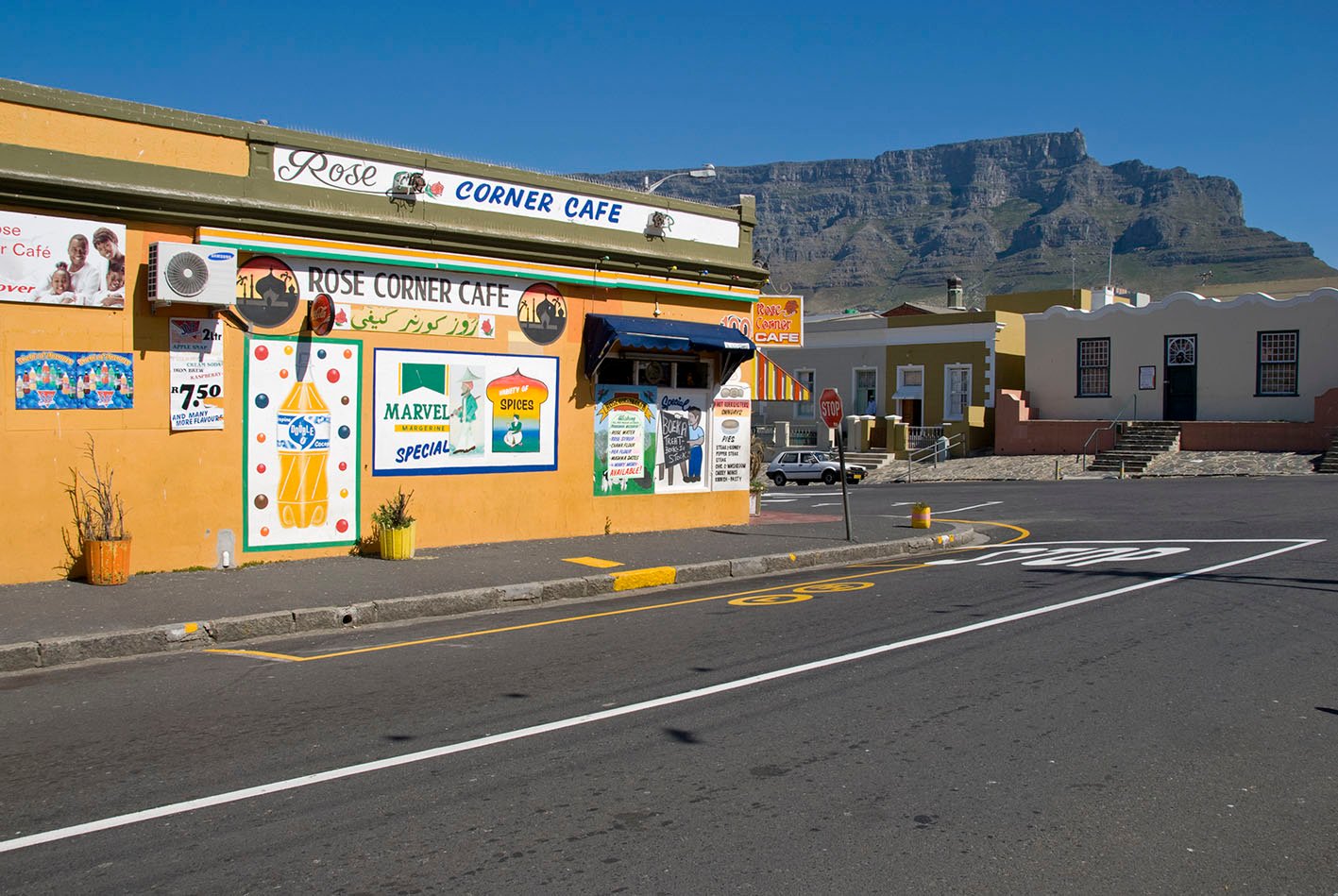
Bo-Kaap is the place to try Cape Malay food—think Indonesian, Malaysian, and Indian flavors with a South African twist. You'll find traditional restaurants, cooking classes, and street food stalls serving up bobotie, curries, and sweet treats.
Signature Dishes
Cape Malay cuisine is all about bold spices and sweet-meets-savory flavors. Bobotie is the superstar—a spiced meat casserole topped with egg custard, baked until golden. It's comfort food, Cape Town style.
Denningvleis is another favorite: tender braised lamb with cloves and rich spices. You’ll see it on plenty of menus around Bo-Kaap.
Cape Malay curries often use tamarind for a tart kick. Fish curry is especially popular and worth a try if you're into seafood.
Yellow rice with raisins comes with most meals. Turmeric gives it the color, and sultanas add a gentle sweetness.
Other must-try dishes:
- Koeksisters - sticky-sweet pastries
- Samosas - crispy, savory pockets
- Bredie - hearty stews with meat and veggies
- Roti - flaky flatbread for scooping up curry
Bo-Kaap Kombuis
Bo-Kaap Kombuis dishes up classic Cape Malay food right in the heart of the neighborhood. The place is known for sticking to traditional recipes and vibrant flavors.
Here, you can try dishes made with methods passed down through Cape Malay families. It's home-cooked food, just not in your own home.
Cooking classes are a thing here, too. Lekka Kombuis runs hands-on lessons in the colorful houses, where you’ll learn to make roti, curry, samosas, and chili bites.
Faeeza's Home Kitchen invites you into a local home for a cooking experience. Families share their kitchen secrets and show you how Cape Malay food is really made.
Street Food and Food Markets
Bo-Kaap's streets are alive with the smell of Cape Malay snacks. Vendors sell koeksisters, samosas, and other traditional treats.
Food tours are popular—they mix walking with lots of tasting. You’ll stop at local spots and sample a variety of Cape Malay dishes.
Take a morning walk here and you’ll smell cooking from homes and small eateries. The scent of spices hangs in the air, especially around mealtimes.
Spiced at the V&A Waterfront offers Cape Malay flavors outside Bo-Kaap. It's a good option if you’re exploring the waterfront district and still want a taste of the neighborhood.
Local Community and Daily Life
The Bo-Kaap community keeps Cape Malay traditions alive through tight family bonds and active involvement in mosques and cultural groups. Educational projects help preserve the area's unique heritage while supporting residents.
Family and Social Dynamics
Families here often live in multi-generational households inside the iconic flat-roofed houses. Relatives usually stick close—sometimes on the same street, sometimes just a block away.
Much of daily life centers around the local mosques. There are five in the neighborhood, and they're a gathering point for prayers and community chats.
Social ties are strong. Neighbors cook together for religious holidays and special events, keeping traditions going.
Traditional recipes get passed down the old-fashioned way. Mothers and grandmothers teach daughters how to make bobotie, koeksisters, and all the classic dishes.
When tough times hit, the community steps up. Neighbors help with meals and support, especially if someone’s struggling with money or health issues.
Education and Community Initiatives
Local organizations put a lot of effort into preserving Cape Malay culture. The Bo-Kaap Museum runs classes on neighborhood history and traditions.
Youth programs teach kids traditional crafts and cooking. Children pick up Afrikaans and Arabic, along with English, in community-run classes.
Community centers offer after-school programs focused on homework help and cultural learning. Kids get a space to connect and learn about their roots.
Residents organize clean-up days to keep the cobblestone streets and houses looking good. Volunteer groups also help out with painting and repairs.
Leadership committees tackle housing concerns and tourism impacts. Monthly meetings are held to discuss issues and plan cultural events—it’s a team effort, really.
Tourism and Visitor Tips
Bo-Kaap welcomes visitors, but it's important to be mindful of the community and its customs. Photography, especially, requires a bit of thought and respect for residents.
Walking Tours and Guided Experiences
The Bo-Kaap Museum offers a 20-minute audio tour starting from 71 Wale Street, guided by Shereen Habib. Her family’s been in Bo-Kaap nearly a century, so she knows her stuff.
Cooking tours are everywhere:
- Bo-Kaap Cooking Tour - Traditional Cape Malay cooking classes
- Faeeza's Home Kitchen - Family-run cooking experiences
- Cape Fusion Tours - Cultural and culinary mashups
Scootours runs gravity-powered scooter rides down Signal Hill into Bo-Kaap. It's family-friendly and, honestly, a lot of fun.
Walking tours focus on mosques, kramats (Islamic shrines), and markets. Bo-Kaap is just five minutes from Cape Town’s city center via Wale Street. No permits needed—just show up and explore.
Responsible Tourism
Bo-Kaap is a living, breathing neighborhood where Muslim families have deep roots. Visitors should respect prayer times at mosques, especially the Auwal Mosque.
Visiting during Cape Town's dry season (November to March) is best. The area gets fewer tourists during rainy months, and residents appreciate the break.
Support local shops and restaurants if you can. Places like Atlas Trading and Biesmiellah are community staples—your business helps them stick around.
Stick to walking paths and don't wander onto private properties. The cobblestone streets can be steep and a bit slippery, so watch your step.
Photography Etiquette
Always ask before snapping photos of residents or their homes. Most people are friendly, but privacy matters, especially during daily routines.
The colorful houses are a photographer's dream, but don’t block doorways or crowd the streets. Early mornings are quieter and the light is pretty great, too.
Religious sites like the Auwal Mosque need extra respect. Sometimes photography isn't allowed during prayers or ceremonies—look for signs or ask first.
Some homes have "no photography" signs up. Please respect those—tourist crowds can get overwhelming for locals.
Preservation, Gentrification, and Future Challenges
Bo-Kaap is caught between preserving its Islamic heritage and handling rapid changes. Rising property values and tourism put pressure on longtime residents, while community groups work hard to keep their culture alive.
Heritage Conservation Efforts
Bo-Kaap has special heritage status in Cape Town. It's recognized as one of the country's most important cultural neighborhoods.
There are over 300 heritage buildings here, many from the 1700s when freed slaves first settled in the area.
Key preservation measures include:
- Protected building status for historic homes
- Strict renovation guidelines
- Cultural heritage site designation
- Tourism development regulations
The colorful houses aren't just pretty—they tell the story of Cape Malay and Islamic traditions. There's a real sense of history behind every facade.
Balancing modern needs with historic value isn't easy. There's always debate about what changes should be allowed.
Property owners have to follow specific rules for repairs. It's all about keeping the neighborhood's unique look intact.
Impact of Gentrification
Property prices in Bo-Kaap have shot up since the 2000s. Wealthy buyers and investors are snapping up homes, changing the landscape.
Many longtime families just can't afford to stay anymore. They're selling and moving to more affordable areas outside the city.
Gentrification effects include:
- Higher rent and property costs
- Loss of local businesses
- Changes in neighborhood character
- Displacement of original residents
Tourism brings money, sure, but also headaches. Short-term rentals mean fewer homes for locals, and the vibe shifts.
Newcomers often have different lifestyles and more money. The social fabric changes—and not always for the better, if you ask some residents.
Young people find it tough to get affordable housing in their own neighborhood. More and more are leaving to find cheaper places to live.
There's a real worry about losing Bo-Kaap's role as a cultural stronghold for Islam in South Africa. The community feels the pressure.
Community Advocacy
Bo-Kaap Rise! leads the charge against unwanted development. This youth movement organizes protests and campaigns for the neighborhood.
They're pushing back on luxury projects that drive up prices. Affordable housing for longtime residents is a top demand.
Community members show up at city council meetings to voice concerns. They don't let new building plans slip by without a fight.
Reclaim the City also supports Bo-Kaap residents. The group works across Cape Town to prevent displacement and keep communities together.
Local mosques and cultural groups speak up for the community, too. They highlight the need to maintain Bo-Kaap's Islamic character.
Main advocacy goals:
- Affordable housing options
- Limits on luxury development
- Protection of cultural sites
- Community input on changes
Residents sometimes run walking tours to share their history with visitors. It helps people understand why preservation matters so much here.
Social media is another tool. Locals share stories about families forced to leave their homes, hoping to raise awareness and spark action.
Bo-Kaap's Role within Cape Town
Bo-Kaap stands as both a cultural cornerstone and an economic contributor in Cape Town's urban mix. The neighborhood keeps the city's historical identity alive while also playing a part in its modern growth.
Economic and Social Contributions
Bo-Kaap brings in a surprising amount of tourism revenue for Cape Town, mostly thanks to its lively cultural attractions. People just can’t seem to resist those colorful houses and storied streets, and their visits end up supporting local shops and guides.
The Cape Malay community here has really shaped Cape Town’s food scene. You’ll find traditional cooking and bustling food markets, with local restaurants serving up dishes that draw in both tourists and locals who know what’s good.
Craft markets in Bo-Kaap are more than just a place to buy souvenirs—they’re a lifeline for artisans. Shoppers can pick up handmade items that really capture the neighborhood’s spirit and heritage.
The Bo-Kaap Museum is a favorite stop for thousands every year, offering a window into Cape Town’s past. It’s one of those places that quietly keeps the city’s diversity in the spotlight.
Local mosques, like the Auwal Mosque—the country’s first—aren’t just for Bo-Kaap residents. They serve the broader Muslim community and hold a special place in the city’s religious story.
Integration into Urban Life
Bo-Kaap sits just five minutes by foot from Cape Town's city center. That means it's a breeze for both urban workers and curious visitors to get there.
Its spot up on Signal Hill? Honestly, the views of the city below are something else.
The neighborhood links right up with some of Cape Town's main attractions. You could stroll to the V&A Waterfront in about 20 minutes, or pop over to De Waterkant in no time.
Wale Street is the main artery connecting Bo-Kaap to the heart of Cape Town. It makes moving between this historic pocket and the business districts feel pretty seamless.
Plenty of Bo-Kaap families have been rooted here for generations, even as they work all over the city. That sort of history weaves the neighborhood tightly into Cape Town's fabric.
The cobblestone streets and old-school architecture really set the area apart from the shinier parts of town. It gives Cape Town a kind of layered charm you don't find everywhere.