
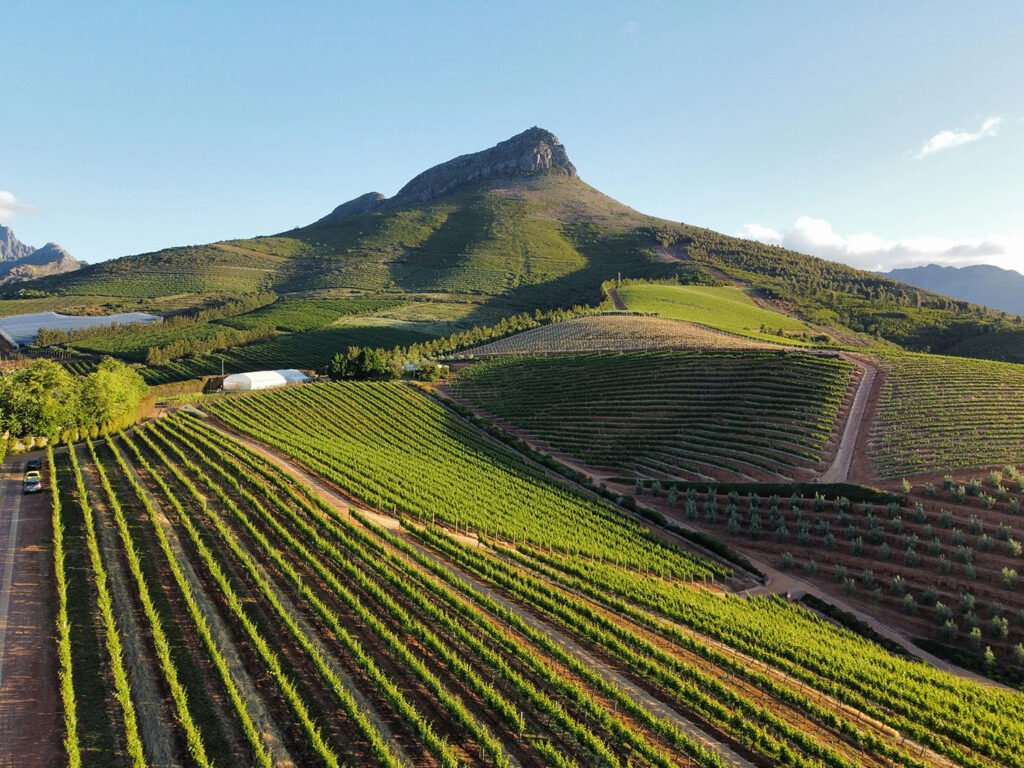
Gateway to Wine Country
Cape Town stands as the gateway to South Africa's premier wine region, where centuries-old winemaking traditions meet stunning landscapes just an hour's drive from the city center.
The Western Cape encompasses more than 50 different grape varieties across diverse terroirs, making it one of the world's most underrated wine destinations.
From the historic vineyards of Constantia to the bold reds of Stellenbosch, this region offers wine enthusiasts an unparalleled combination of quality, variety, and natural beauty.
The area's Mediterranean climate and unique geography create ideal conditions for both cool-climate varietals and robust warm-weather grapes.
Visitors can explore everything from boutique family estates to large commercial wineries, each offering distinct tasting experiences shaped by mountain ranges, ocean currents, and diverse soil types.
Understanding Cape Town's wine country means digging into its rich history, signature regions, and the passionate people who craft these world-class wines.
The journey covers exceptional tastings, culinary adventures, sustainable tourism, and a surprising number of attractions beyond the vineyard gates.
Cape Town's Wine Country: Geographic Overview
Cape Town's wine regions stretch from coastal plains to mountain slopes at South Africa's southwestern tip, with the Atlantic Ocean and False Bay shaping the climate.
The area extends from the city center to valleys up to two hours away, creating wildly diverse growing conditions.
Boundaries and Location
The Wine of Origin Cape Town designation includes several historic wine districts within close proximity to the city.
This official wine region brings together Constantia, Durbanville, Philadelphia, and Hout Bay as key sub-regions.
Constantia sits just 15 minutes from Cape Town's center on the slopes of the Constantiaberg mountains.
It holds the distinction of being South Africa's oldest wine region, dating back to 1685.
The broader Cape Winelands reach beyond city boundaries to include famous areas like Stellenbosch, Paarl, Franschhoek, and Wellington.
These regions range from 20 minutes to 2 hours drive from Cape Town.
The Western Cape province houses the vast majority of South Africa's wine industry.
Cape Town serves as the central hub for this mountainous, diverse wine-producing area.
Climate and Terrain Influences
The Atlantic Ocean and False Bay send cooling breezes that moderate summer heat.
This maritime influence stretches out the growing season and helps grapes ripen slowly and evenly.
Cape Town's wine areas feature elevations from sea-level plains to high mountain slopes.
The soils are a mix—decomposed granite, sandstone, clay—depending on where you stand.
The Mediterranean-style climate really favors white wine, especially Sauvignon Blanc.
Cool ocean winds help maintain acidity in the grapes, which is key for crisp whites.
ummer temperatures stay moderate thanks to the coast, and the topography creates countless microclimates in a surprisingly short distance.
Major Access Points
Cape Town International Airport is the main entry point for wine tourists heading to the region.
The airport is about 20 kilometers from the city center—not too far.
The city's port facilities play a big role in wine exports, connecting South African wines to Europe, Asia, and beyond.
Major wine routes begin from Cape Town's city center:
- Route 62 - leads to Robertson and Klein Karoo
- R44 - connects to Stellenbosch wine region
- R45 - provides access to Franschhoek Valley
- M3 highway - leads directly to Constantia wine estates
Public transportation options include tour buses and private shuttles.
Many wine estates offer pickup services from Cape Town hotels and the airport.
Historical Roots of South African Wine
South African wine history kicked off in 1655 when Dutch settlers planted the first vines at the Cape of Good Hope.
French Huguenots later brought advanced winemaking skills to regions like Franschhoek, while the post-apartheid era opened new doors for the industry's growth and international recognition.
Early Vineyards and European Influence
The Dutch East India Company set up the first vineyards in South Africa when Jan van Riebeeck planted grapevines near Cape Town in 1655.
Those early wines? Not great—mostly for preventing scurvy among sailors heading to the East Indies.
The initial results were underwhelming, but as more Dutch colonists arrived, they brought European winemaking know-how that gradually improved things.
Simon van der Stel became the Cape's governor and really transformed the wine industry.
He founded Stellenbosch in 1679, which is still one of South Africa's top wine regions today.
Van der Stel set up extensive vineyards in Constantia, laying the groundwork for the country's wine reputation.
The Dutch picked out locations with climates similar to Europe—especially the Western Cape—and built the infrastructure needed for serious winemaking.
Huguenot Legacy in Wine Making
French Huguenots, fleeing religious persecution, landed in South Africa in the late 1600s.
They mainly settled in the Franschhoek valley, bringing centuries of French winemaking expertise with them.
These skilled vintners introduced new grape varieties and fermentation techniques that really raised the bar.
Franschhoek earned its name—the "French Corner"—because of this community, and it grew into one of the country's most respected wine areas.
The Huguenots established estates that still operate today.
Families like the de Villiers and Joubert left a lasting mark on South African wine culture.
French influence went beyond growing grapes—they brought traditions of wine appreciation and higher standards that stuck around for centuries.
Evolution Post-Apartheid
The end of apartheid in 1994 finally opened South African wines to global markets.
International sanctions had previously kept exports—and the industry's growth—pretty limited.
New investment poured into regions like Stellenbosch and Franschhoek, bringing modern equipment and international partnerships.
Key Changes After 1994:
- Increased export opportunities
- Foreign investment in wineries
- Technology upgrades
- International wine competition participation
- Tourism development in wine regions
Black Economic Empowerment programs created new ownership opportunities, opening doors for communities previously left out of the wine industry.
South African wines started earning recognition at international competitions, and the industry developed signature varieties like Pinotage alongside traditional European grapes.
Signature Regions of Cape Town's Wine Country
Three distinct wine regions form the backbone of Cape Town's celebrated wine country.
Stellenbosch leads as the most established wine hub, Franschhoek brings French-inspired elegance, and Constantia offers historic charm closest to the city.
Stellenbosch: The Wine Heartland
Stellenbosch stands as South Africa's most famous wine region.
Located 45 minutes east of Cape Town, it produces world-class wines across rolling vineyards and dramatic mountain backdrops.
The region sits at higher elevations, with mountain ranges creating perfect growing conditions.
Key Features:
- Over 150 wine estates
- Mountain views and elevated vineyards
- Strong Dutch colonial influence
- University town atmosphere
Stellenbosch is known for excellent Cabernet Sauvignon and Chenin Blanc.
You'll also find quality red blends and some pretty impressive sparkling wines made in the traditional method.
Many vineyard hotels offer luxury stays with infinity pools overlooking the mountains.
The main town has more restaurant options than other wine regions, which is great if you like variety.
Wine tourists can easily spend several days exploring different estates—each one has its own vibe and tasting style.
Franschhoek: French Heritage and Fine Wine
Franschhoek means "French Corner" in Afrikaans, and the valley oozes French Huguenot heritage in both its architecture and winemaking traditions.
The region is about 30 minutes from Stellenbosch by car.
Wine Specialties:
- Chenin Blanc and white blends
- Premium red wines
- Traditional method sparkling wines
- Cap Classique (South African sparkling)
The famous wine tram makes it easy to hop between estates without worrying about driving.
The main street is walkable, lined with shops, restaurants, and wine bars, and the town center feels like a tiny French village with mountain views.
Some wineries off the tram route offer quieter, more intimate tastings—Uber works for reaching those spots.
Constantia: Oldest Vineyards Near Cape Town
Constantia is South Africa's oldest wine region, with the first wines produced here in 1659—so, over 360 years of history.
This leafy area sits just 20 minutes from central Cape Town, making it the closest wine experience for city visitors.
Historic Significance:
- First wine region in South Africa
- Original plantings from 1659
- Traditional winemaking heritage
- Premium dessert wine legacy
Constantia produces exceptional Sauvignon Blanc and Chardonnay.
The cooler climate here is perfect for white wines, but you'll find reds too.
Vineyards stretch along the back slopes of Table Mountain, with a Mediterranean climate supporting a range of grape varieties.
Several estates serve up world-class dining with vineyard views—honestly, it's a tough place to leave.
The region works perfectly for half-day trips from Cape Town, and many tourists stop here before heading further afield.
Iconic Wineries and Estates
Cape Town's wine country features several legendary estates that have shaped South Africa's wine industry.
These historic properties blend centuries-old traditions with modern winemaking techniques, which is kind of the best of both worlds.
Boschendal's Historical Appeal
Boschendal is one of South Africa's most celebrated wine estates, founded in 1685 and stretching across the Franschhoek Valley.
The estate produces award-winning wines using traditional methods—Sauvignon Blanc and Chardonnay are standouts that often get international praise.
Boschendal offers multiple tasting experiences, from cellar tours to garden picnics or more formal tastings.
The Cape Dutch architecture is a real highlight, with original buildings dating back three centuries.
The restaurant here serves farm-to-table cuisine, and local ingredients pair beautifully with the estate wines.
There are also luxury accommodation options, from restored farmhouses to modern cottages, if you want to linger a little longer.
Other Notable Estates
Groot Constantia holds the title as South Africa's oldest wine estate, established in 1685 and now a UNESCO-listed property.
Located in Constantia Valley, it's just 20 minutes from Cape Town. The historic cellars and manor house draw thousands of visitors each year.
Stellenbosch is home to the country's most prestigious wineries, surrounded by mountains and specializing in bold reds.
Franschhoek combines French winemaking traditions with local terroir, offering boutique wineries and world-class restaurants.
Most of these estates offer guided tours year-round, with professional guides sharing the ins and outs of winemaking and regional history during tastings.
Wine Tasting Culture and Experiences
Cape Town's wine culture centers around all kinds of tasting formats, from traditional cellar experiences to unique tram adventures.
Most tastings cost between R80-R175 and often include food pairings that highlight local flavors. Not a bad way to spend an afternoon.
Types of Tastings Offered
Wine farms around Cape Town have a variety of tasting formats. These range from quick samples to more immersive sessions, and prices generally fall between R50 and R175 for a standard lineup of 4-6 wines.
Classic cellar tastings happen in those cozy, traditional tasting rooms. You’ll sip and chat about production methods—usually for about 45 to 60 minutes.
Premium tastings are a step up. Expect reserve wines, limited releases, and smaller groups, but also a higher price tag for the privilege.
Wine and chocolate pairings are a bit of a local specialty. Farms like Waterford Estate offer these, and honestly, it’s hard to say no to good chocolate with your wine.
Bubble tastings focus on sparkling wines. Simonsig is the big name here, and if you’ve never seen a sabrage demonstration, it’s worth catching.
Some estates go for vertical tastings—sampling the same wine from different years. It’s a neat way to see how time changes a bottle.
Walk-in tastings are available at some spots, no booking needed. Private tastings, though, require an advance reservation and cost a bit more.
Pairing Food and Wine
Cape Town wineries really know how to pair wine with local foods. You’ll find cheese boards with South African cheeses almost everywhere.
Traditional pairings like biltong, local breads, and cheeses are a big deal. They bring out the region’s best flavors.
Many farms have their own restaurants, and the chefs get creative with dishes that match their wines. Constantia Glen is one of those places where the food and wine just click.
Chocolate pairings are especially popular with reds and port-style wines. The combo of rich chocolate and a good wine is hard to beat.
Some estates host harvest table experiences—multi-course meals with different wines. These are longer, more immersive meals where you really get to see how wine can change a dish.
P
icnic pairings are another option. Grab a basket, find a spot in the vineyard, and enjoy a laid-back meal with a bottle or two. It’s especially nice for groups or families.
Vineyard Tours and Tram Rides
Tours are a big part of the experience—they get you from winery to winery safely and without hassle. The Franschhoek Wine Tram is a classic, with several routes to choose from.
Hop-on hop-off tours let you pick your own adventure, more or less. The Constantia Wine Bus and Stellenbosch Wine Tractor run set routes with multiple stops.
Private tours come with a dedicated driver and a custom itinerary. They cost more, but you get to call the shots.
Group tours from Cape Town usually hit several regions in a single day. You’ll get transportation, tastings, and a peek at the cellars.
The Franschhoek Wine Tram runs on different colored lines—Navy, Blue, Red—each connecting a different set of estates. Hop on, hop off, repeat.
Walking tours like the Constantia Wine Walk blend vineyard visits with a bit of history. It’s a slower pace, but you get more context.
Cellar tours take you behind the scenes. You’ll see production areas and sometimes taste straight from the barrel.
From Grape to Glass: The Winemaking Process
South African winemakers don’t take shortcuts. Turning grapes into good wine is all about timing—harvesting at just the right moment, choosing the best fruit, and then guiding it through crushing, fermentation, and aging.
Harvesting and Grape Selection
Getting the harvest timing right makes or breaks the wine. Winemakers in the Cape region taste grapes, then run chemical tests to check sugar, pH, and overall ripeness—sometimes daily.
Weather is a huge factor. Some years, the vines just can’t hold the crop any longer, and you have to pick even if it’s not ideal.
Hand harvesting is common at many Cape Town wineries. Workers sort out the best grapes right there in the vineyard—no shortcuts.
Any damaged or unripe grapes get tossed. Only the good stuff moves forward, and that attention to detail really shows in the final bottle.
Crushing, Fermentation, and Aging
White wines get pressed right after harvest. The juice is separated from skins and pulp, and after a few days, racking clears things up.
Red wines are a different story. Grapes are crushed and fermented with the skins on, which is how you get all that color and flavor.
Yeast is added to keep things predictable. For reds, there’s a lot of mixing—four times daily, either by punch downs or pump overs. After fermentation, reds stay on their skins for about a month.
Aging times vary:
- Sauvignon Blanc: 4 months in stainless steel
- Chardonnay: Up to 10 months in French oak
- Premium reds: Barrel aging for more complexity
Last steps are clarification, filtering, and bottling. Whites get cooled to drop out crystals before that final filter.
Cape Town Wine Tours: Planning Essentials
The Cape Winelands have a lot of tour and transport options. Knowing what’s available makes it easier to plan the kind of wine tasting trip you actually want.
Choosing a Tour Style
Guided group tours are great for beginners. You’ll usually visit four wineries in a day, with guides who know their stuff and can explain the basics.
Small group tours are a bit more personal—think 8 to 12 people. It’s easier to chat with winemakers and ask questions.
Private tours are all about flexibility. Pick your wineries, set your pace—it’s ideal if you already know what you like or have a wish list.
Self-guided options suit independent travelers. Rent a car, or hop on the Franschhoek Wine Tram and see where the day takes you.
Half-day tours stick to one area, like Stellenbosch. Full-day tours might combine regions, so you get a broader taste.
Transportation within the Region
Tour buses take care of logistics and keep things safe. Most tours pick you up at your hotel and drop you back at the end of the day.
The main wine areas are 30-60 minutes from Cape Town by car. Stellenbosch and Franschhoek are close enough that you can visit both in a single day if you’re feeling ambitious.
Rental cars give you total freedom, but someone has to be the designated driver. Uber is available in the main towns, which is handy if you want to skip driving altogether.
The Franschhoek Wine Tram is a hop-on, hop-off deal. It’s fun, but you might miss some of the smaller, out-of-the-way wineries.
Staying overnight in Stellenbosch or Franschhoek cuts down on driving. Some vineyard hotels have killer views of the mountains and vines.
The Influence of Terroir: Soil, Climate, and Varietals
Cape Town’s wine regions have a flavor all their own, thanks to a mix of ancient soils, Mediterranean weather, and carefully chosen grape varieties. It’s that combination—terroir—that gives South African wines their signature vibe.
Understanding Terroir
Terroir’s a mix of soil, climate, and grape variety. Each part plays a role in how the grapes grow, and what ends up in your glass.
Cape Town's Diverse Soils
The Western Cape sits on some of the oldest rocks around. That geology brings a mineral edge to the wines.
Three main soil types dominate:
- Granite-based soils: Mostly in Stellenbosch, these drain well and give reds their backbone
- Sandstone soils: Found in Constantia, they’re perfect for elegant whites
- Clay-rich soils: Hold water during dry spells, keeping vines happy
Mediterranean Climate Benefits
Warm, dry summers and cool, wet winters define the region. Grapes ripen slowly, picking up more flavor along the way.
Atlantic breezes keep things cool, and the mountains create little microclimates. The long growing season means grapes reach full flavor but keep their acidity.
Signature Grape Varieties
Red Wine Varieties
Cabernet Sauvignon does well in the warm valleys, turning out bold, dark-fruited wines.
Pinotage is South Africa’s homegrown grape. It’s a bit different—think smoky, earthy, sometimes even a bit wild.
Merlot likes the clay soils and produces softer, plummier wines.
White Wine Varieties
Chenin Blanc is everywhere, making everything from crisp, dry whites to lush, sweet wines.
Sauvignon Blanc thrives near the coast, with bright acidity and fresh flavors.
Chardonnay prefers cooler spots like Walker Bay, where it picks up mineral notes and citrus.
Culinary Highlights in the Winelands
The Cape Winelands have become South Africa’s go-to for food lovers, thanks to a mix of award-winning chefs and local producers. You’ll find farm-to-table menus, artisanal cheeses, olives, and all sorts of organic treats.
Farm-to-Table Restaurants
Historic Cape Dutch homesteads often house restaurants that focus on local, seasonal ingredients. Many work directly with nearby farms to keep things fresh and interesting.
Stellenbosch and Franschhoek are the main hubs for dining. Menus change with the seasons, and chefs collaborate with local farmers for the best vegetables, herbs, and fruit.
Plenty of wine estates have their own restaurants. Nothing quite matches eating among the vines, mountain views all around, and pairing your meal with wines made just meters away.
Popular farm-to-table dishes:
- Seasonal veggies from the estate’s own gardens
- Locally raised lamb and beef
- Fresh breads using regional grains
- Cheeses from nearby dairies
Gourmet Food Experiences
The Winelands are more than just restaurants. Many estates offer tastings that pair their wines with local cheeses, cured meats, and preserves.
Some even produce their own olive oil, honey, or specialty condiments. It’s a great way to see the region’s diversity—and maybe pick up a few edible souvenirs.
Cooking classes are a fun option if you want to get hands-on. Some even start with a market visit to pick out ingredients before heading to the kitchen.
Notable gourmet experiences:
- Wine and cheese pairings
- Olive oil tastings at working farms
- Braai (barbecue) cooking demos
- Grape picking and processing during harvest
Beyond the Vine: Noteworthy Attractions Near the Winelands
The Cape Winelands aren’t just about wine. You’re close to some of the best coastal drives and nature reserves in the country. Cape Point, with its wild ocean views and wildlife, is just an hour away.
Cape Point Excursions
Cape Point sits right at the southern tip of the Cape Peninsula. It’s about 60 kilometers from the main wine regions—not exactly a quick drive, but absolutely worth it.
The route takes you along Chapman's Peak Drive. It's one of those coastal roads that makes you want to pull over every ten minutes just to stare at the view.
The Cape Point Nature Reserve covers a sprawling 7,750 hectares of protected land. You can hop on the funicular railway up to the lighthouse, or if you're feeling energetic, tackle the steeper hiking trail instead.
Either way, you’re rewarded with views where the Atlantic and Indian Oceans seem to collide. It’s a bit windy, but that’s part of the charm.
Wildlife spotting opportunities include:
- Baboon colonies
- Ostriches
- Antelope species
- Over 250 bird species
Not far from there, Boulders Beach is home to a quirky colony of African penguins. These endangered birds waddle around all year, and you can watch them from wooden boardwalks.
The beach itself has swimming spots separated from the penguin hangouts, so you won’t step on any flippers. It’s a favorite stop, especially for families.
Cape Point is really a full day out from the Winelands. Most folks pair it with Hout Bay or maybe a stroll through Kalk Bay’s little shops and cafes.
Nature Reserves and Outdoor Activities
Nature reserves pretty much wrap around the wine regions, making it easy to mix hiking or wildlife sightings into your trip. The Helderberg Nature Reserve is right next to some Stellenbosch wine farms, so you could go from trail to tasting in minutes.
Table Mountain National Park actually stretches into the Winelands too. It’s got over 20 hiking trails, ranging from lazy walks to climbs that’ll have you questioning your fitness choices.
Some favorites? The Pipe Track and Lion's Head summit trail. Both are popular for good reason.
Outdoor activities available include:
- Mountain biking trails
- Rock climbing routes
- Paragliding launch sites
- Horseback riding tours
Jonkershoek Nature Reserve is about 15 minutes from Stellenbosch and feels worlds away. Think crystal-clear streams, tangled indigenous forests, and fynbos everywhere.
Day permits let you wander the hiking trails or just lounge at a picnic spot. It’s peaceful, especially on weekdays.
The Boland Mountains make a dramatic backdrop for wine tastings. Some estates even offer guided nature walks, so you can learn a bit about local plants and birds while sipping something cold.
Sustainable and Responsible Wine Tourism
South African wine farms are really pushing for greener ways of doing things. They’re removing thirsty non-native plants and bringing back wetlands.
Many vineyards now focus on helping the environment, but also on supporting local communities. It’s not just about the wine anymore, and that feels like progress.
Eco-Friendly Practices in Vineyards
Wine producers across the Western Cape are clearing out invasive plants that guzzle water and mess with local ecosystems. It’s tough work, but necessary.
There’s a big push to restore wetlands and rivers. Wildlife is coming back, and the water’s cleaner.
Organic farming is catching on too. More farms are skipping the harsh chemicals, and the benefits for soil and water are obvious.
Fairtrade-certified farms are out there, sticking to strict rules for worker treatment and environmental care. If you’re curious, you can actually tour these places and see what responsible farming looks like up close.
Some wineries have gone solar, or collect rainwater to use around the property. They’re even cutting down on packaging and recycling more, which honestly just makes sense these days.
Community Initiatives
Wine farms create jobs for local people in poor communities. Workers get fair wages, housing, and healthcare benefits from their employers.
Education programs help workers pick up new skills, like English or even basic computer stuff. Some farms also cover children's school fees or offer daycare, which is a huge relief for families.
Local communities benefit from healthcare clinics and clean water projects that wine farms fund. These projects have made life a bit easier for thousands of families, honestly.
Wine farms try to buy supplies from local businesses whenever they can. This keeps money close to home and gives small companies a fighting chance.
Some vineyards team up with local artists and craftspeople. They display handmade goods in tasting rooms and help keep traditional skills alive.