
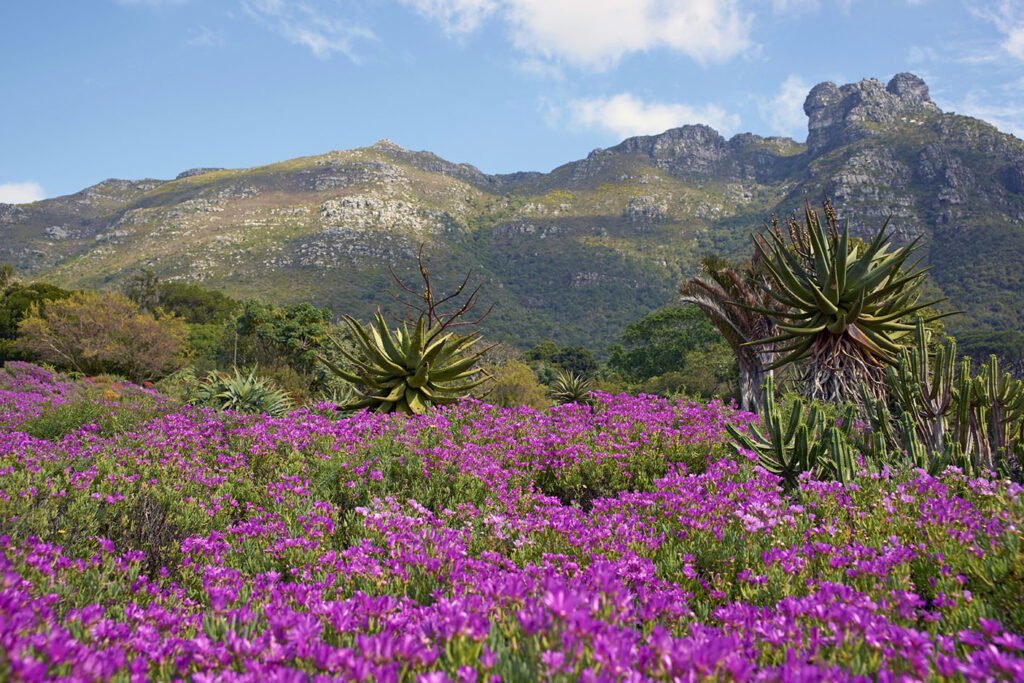
Introduction to Kirstenbosch Botanical Garden
Kirstenbosch Botanical Garden is a botanical garden situated on the eastern slopes of Table Mountain in Cape Town, South Africa. Established in 1913, it is celebrated as one of the key botanical gardens in the world, showcasing the rich biodiversity of the region. The garden spans over 528 hectares, offering visitors a peaceful retreat enveloped by stunning landscapes that feature a unique array of indigenous flora. It is recognized as the first botanical garden in the world to be devoted entirely to the conservation of indigenous plants.
The primary mission of Kirstenbosch is to conserve South African flora, focusing on the preservation and promotion of the country’s diverse plant life. This commitment is reflected in the garden’s extensive collections, which showcase thousands of species that thrive in the unique climatic conditions of the Cape Floristic Region, a UNESCO World Heritage Site. Visitors can explore a variety of themed gardens, including the succulent garden, the fragrance garden, and the stunning protea garden, each providing a glimpse into the extraordinary plant diversity found in South Africa.
Kirstenbosch has developed a reputation not only for its impressive plant collections but also for its commitment to education and environmental conservation. The garden regularly hosts educational programs, workshops, and exhibitions that aim to raise awareness about biodiversity and the importance of preserving natural habitats. Additionally, the scenic landscapes of Kirstenbosch attract artists, photographers, and nature enthusiasts from around the world, making it a vital cultural hub in Cape Town. The combination of its natural beauty and its dedication to conservation ensures that Kirstenbosch Botanical Garden remains a treasured destination for visitors and a vital contributor to the preservation of South Africa’s botanical heritage.
A Historical Perspective
Kirstenbosch Botanical Garden, established in 1913, serves as a testament to South Africa’s rich botanical heritage and its commitment to preserving indigenous flora. The garden was founded by botanist Harold Pearson, who envisioned a space dedicated to showcasing the diverse plant life found within the country. Pearson’s ambition was not only to create a garden of aesthetic beauty but also to foster public awareness and appreciation of South Africa’s unique biodiversity. The location, at the eastern foot of Table Mountain, provides a stunning natural backdrop that enhances the garden’s appeal.
From its inception, Kirstenbosch has undergone significant transformations shaped by both environmental challenges and advancements in horticultural practices. In its early years, the garden primarily focused on the conservation of local species. As the years progressed, however, it expanded its role to include the cultivation of a more extensive range of plant species, and it soon became recognized as a leader in the field of botanical research and conservation. Key milestones in its development include the establishment of the Biodiversity Centre and the introduction of various educational programs designed to engage the community and raise awareness about conservation.
The garden has also played a vital role in broader South African botanical conservation efforts, acting as a reference point for researchers and environmentalists alike. Its significant involvement in various conservation projects has not only helped to preserve endangered species but also educated the public on the importance of protecting biodiversity. Today, Kirstenbosch stands as a prominent symbol of South Africa’s commitment to preserving its flora while celebrating its natural beauty for future generations to appreciate, ensuring that Harold Pearson’s vision continues to thrive.
Exploring the Plant Collections
Kirstenbosch Botanical Garden showcases a remarkable array of plant life that reflects South Africa’s rich biodiversity. Covering an expansive 528 hectares, the garden is home to a significant portion of the country’s unique flora. One of its standout features is the fynbos garden, which presents a striking display of the fynbos biome, primarily found in the Western Cape. This section boasts an astonishing variety of plant species, including members of the Proteaceae family, such as proteas and leucospermums, renowned for their captivating flowers and ecological importance.
The garden includes a dedicated area for medicinal plants, which emphasizes the role of flora in traditional medicine practices. This section is not only educational but also offers visitors insight into the various herbs and plants that have been utilized by indigenous cultures for centuries. Species such as Spekboom (Portulacaria afra), known for its healing properties, find a home in this collection, enlightening visitors about natural remedies that have stood the test of time.
Another intriguing component of the plant collections is the cycads section, showcasing some of the most ancient species on Earth. Cycads are often described as ‘living fossils’ and provide a unique glimpse into the planet’s botanical history. Species like Encephalartos woodii, which is critically endangered, highlight the importance of conservation efforts within the garden. Each section of Kirstenbosch reveals a different aspect of South Africa’s botanical heritage, combining beauty with a deep ecological narrative about sustainability and preservation.
Exploring these diverse plant collections at Kirstenbosch not only enriches one’s understanding of the country’s flora but also deepens appreciation for the vital role such gardens play in the conservation of biodiversity.
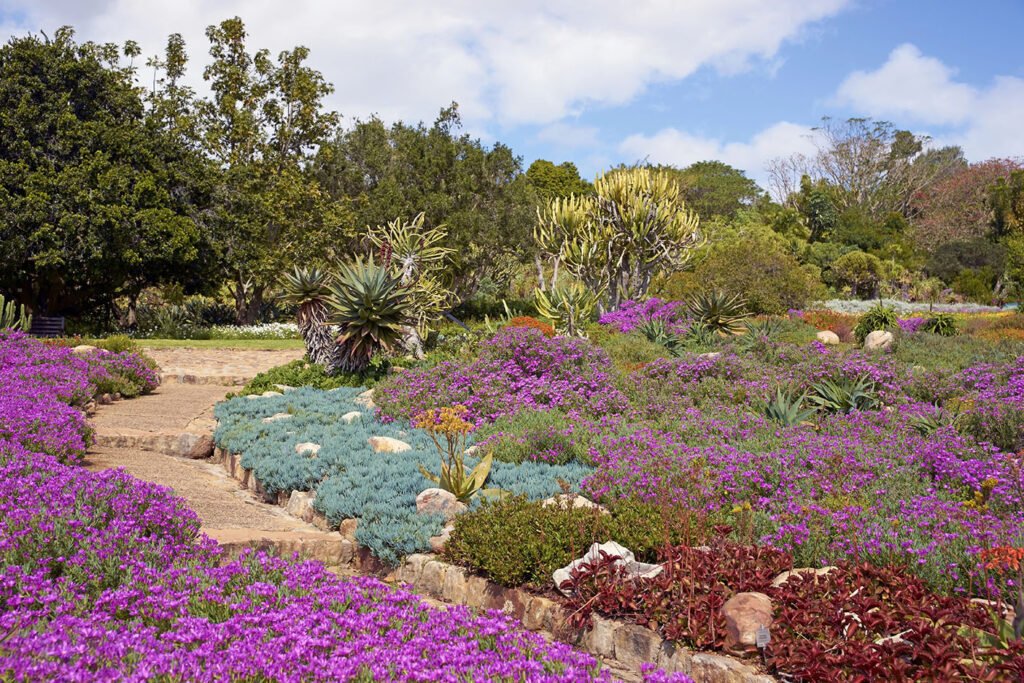
The Scenic Beauty and Landscape Design
Kirstenbosch Botanical Garden is a vivid testament to nature’s splendor and thoughtful landscape design. This picturesque garden spans over 36 hectares, showcasing a variety of breathtaking landscapes that captivate visitors. A harmonious blend of indigenous flora, meticulously planned gardens, and tranquil environments create a sanctuary where one can escape the bustle of urban life.
One of the standout features of Kirstenbosch is the renowned Boomslang canopy walkway. This elevated walkway allows visitors to experience the garden from a unique perspective, offering panoramic views of the lush vegetation below as well as the majestic mountains surrounding the area. The structure, designed to mimic the natural curves of tree branches, seamlessly integrates with the surroundings, enhancing the overall aesthetic appeal of the garden.
In addition to the Boomslang, the themed gardens within Kirstenbosch provide discrete yet harmonious experiences for guests. Each themed area is carefully curated to showcase the diversity of South African flora, from the fragrant fynbos shrubland to the succulent garden filled with striking desert plants. This thoughtful landscape design not only highlights the beauty of each species but also emphasizes the importance of conservation and the protection of natural habitats.
The tranquil environment of Kirstenbosch is further accentuated by its water features, winding paths, and open lawns, inviting visitors to stroll leisurely while soaking up the serene ambiance. This remarkable integration of natural beauty and design elements creates a captivating landscape that fosters a deep appreciation for the plant life unique to this part of the world. Kirstenbosch Botanical Garden is truly a stunning example of how landscaping can harmonize with nature, offering all who visit a chance to reflect on the beauty surrounding them.
Wildlife and Biodiversity
Kirstenbosch Botanical Garden serves as a vital habitat for an array of wildlife species, thereby enriching the region’s ecological diversity. The garden encompasses a variety of ecosystems that support numerous indigenous flora and fauna. This makes it an ideal location for both environmental enthusiasts and casual visitors alike to encounter various forms of wildlife, particularly avian species.
Birdwatchers often delight in the extensive range of bird species that inhabit the garden. Over 125 different species can be observed, including the striking African penguin and the elusive Cape Sugarbird. These birds thrive within the fynbos biome, which is characterized by its unique vegetation. Additionally, the presence of nectar-bearing plants attracts a wealth of pollinators, contributing significantly to the overall biodiversity of the garden.
Beyond birds, the garden is home to countless insects that play crucial roles in pollination and the food web. Various beetles, butterflies, and bees are not only integral to plant reproduction but also serve as food sources for higher trophic levels within the ecosystem. Furthermore, visitors may spot small mammals, such as the striped mouse and the European hedgehog, which contribute to the garden’s ecological balance.
Kirstenbosch Botanical Garden stands as a testament to the importance of biodiversity and environmental conservation. The garden plays a key role in educating the public about native species and the necessity of preserving their habitats. Through various initiatives aimed at conservation, such as habitat restoration projects and species propagation programs, Kirstenbosch continues to promote awareness of the significance of maintaining wildlife populations and their ecosystems. Ultimately, the garden not only provides recreational opportunities but also serves as an essential sanctuary for protecting South Africa’s rich biodiversity.
Visitor Experience and Activities
Kirstenbosch Botanical Garden offers a diverse range of experiences for visitors, making it a popular destination for both tourists and locals. As one of the most renowned botanical gardens globally, it provides a serene atmosphere and showcases the rich biodiversity of South Africa. Upon entering the garden, visitors are greeted by striking landscapes, showcasing indigenous flora that flourishes in the breathtaking setting of Table Mountain.
One of the principal attractions is the guided tours, which take participants through the garden’s various sections. Knowledgeable guides share insights about the plant species, their ecological significance, and the conservation efforts undertaken at the site. These tours are suitable for individuals of all ages and enhance the appreciation of the garden’s unique offerings. Additionally, educational programs are available, catering to schools and groups interested in learning about botany, horticulture, and environmental conservation. These programs promote awareness of local ecosystems and the importance of sustainable practices.
Throughout the year, Kirstenbosch hosts seasonal events that engage the community and celebrate the beauty of nature. Concerts in the garden, flower shows, and plant fairs attract a diverse audience, providing opportunities for visitors to enjoy live music and partake in workshops. Such events not only enrich the visitor experience but also foster a sense of camaraderie among participants.
To complement the exploration of the gardens, visitors can take advantage of the designated picnic areas, where families can relax amidst nature. Cafés located within the gardens offer refreshments and meals that cater to a variety of tastes, ensuring that guests have a wonderful day out. Whether one is strolling along winding paths, attending an event, or enjoying a leisurely picnic, Kirstenbosch Botanical Garden guarantees a memorable experience immersed in the splendor of nature.
The Role of Kirstenbosch in Conservation Efforts
Kirstenbosch Botanical Garden serves as a vital hub for conservation initiatives and research projects dedicated to the understanding and preservation of South African plant species. Nestled against the eastern slopes of Table Mountain, the garden is home to a diverse array of flora native to the region, providing an invaluable resource for studying ecosystems and biodiversity. The garden’s primary focus is on conserving indigenous plants that are crucial to the local environment and heritage, demonstrating a profound commitment to ecological integrity.
One of the key conservation initiatives at Kirstenbosch is its active participation in the South African National Biodiversity Institute (SANBI). This collaboration facilitates various programs aimed at conserving endangered plant species, ensuring that they are not lost to extinction. Research projects conducted within the garden often involve assessing plant health, documenting species diversity, and studying ecological interactions. By fostering an in-depth understanding of these species, Kirstenbosch contributes significantly to the scientific community’s knowledge base.
Kirstenbosch collaborates with both local and international conservation programs to enhance its efforts. These partnerships allow for the exchange of knowledge, best practices, and resources, which bolster conservation tactics not only within South Africa but globally. A remarkable example is the garden’s involvement in global seed banks and ecological restoration projects that aim to rehabilitate degraded habitats. Such initiatives reflect Kirstenbosch’s commitment to preserving the rich botanical heritage of South Africa while promoting sustainable practices that protect the environment.
The role of Kirstenbosch Botanical Garden in conservation efforts extends far beyond its beautiful landscapes. By integrating research, education, and community engagement, it significantly impacts the protection and understanding of South African plant species, reinforcing its status as a pivotal institution in the realm of environmental conservation.
Events and Community Engagement
Kirstenbosch Botanical Garden offers a vibrant program of events that cater to a wide range of interests. Throughout the year, the garden hosts a variety of activities, including outdoor concerts, flower shows, and educational workshops. These events not only enhance the visitor experience but also serve as vital tools for community engagement.
One of the most popular series of events at Kirstenbosch is the summer sunset concerts, where local and international artists perform in an idyllic outdoor setting. These musical gatherings attract thousands of attendees, creating a festive atmosphere that encourages families, friends, and visitors from different backgrounds to come together and celebrate the joy of music and nature. Such events are instrumental in fostering a sense of community, as people share their experiences, build connections, and deepen their appreciation for the natural environment.
The annual flower shows at Kirstenbosch present an opportunity for gardening enthusiasts to showcase their skills and knowledge. These exhibitions feature a stunning array of indigenous plants and flowers, highlighting the importance of conservation and biodiversity. Moreover, these shows educate attendees on local flora and horticultural practices, contributing to a broader understanding of the significance of botanical gardens in environmental preservation.
Educational workshops offered throughout the year further facilitate community involvement. These workshops cover various topics, including plant identification, sustainable gardening, and the ecological significance of indigenous species. By focusing on education, Kirstenbosch Botanical Garden promotes awareness of the crucial role that such spaces play in conserving biodiversity and fostering a connection between people and nature.
In fostering community involvement and appreciation for the natural world, the events at Kirstenbosch Botanical Garden serve as a reminder of the importance of protecting these treasures for future generations.
Why Visit Kirstenbosch Botanical Garden
Kirstenbosch Botanical Garden stands out as one of Cape Town’s most enchanting destinations, embodying the essence of South African flora and heritage. This remarkable garden, established in 1913, is committed to conserving the country’s unique biodiversity, which makes it a vital resource for education and conservation efforts. Visitors are treated to an awe-inspiring array of indigenous plants, including a variety of proteas, aloes, and other endemic species, creating an environment that not only highlights the beauty of nature but also serves as a living museum of South Africa’s rich botanical diversity.
The garden is not merely a collection of plants; it is a sanctuary where visitors can immerse themselves in nature, engage in leisurely walks along meticulously curated pathways, and discover various themed gardens. The stunning backdrop of Table Mountain enhances the visual experience, providing an iconic setting that is as historical as it is picturesque. This harmonious blend of nature and landscape encourages a deep connection to the environment, promoting mental well-being and relaxation.
Furthermore, Kirstenbosch Botanical Garden offers a wealth of cultural and recreational activities, including art exhibitions, concerts, and family-friendly events, allowing for a vibrant social atmosphere amidst natural beauty. Engaging with local communities through these events fosters a sense of belonging and appreciation for the cultural heritage of the region. Prioritizing a visit to this botanical garden is more than just an escape into nature; it is an opportunity to connect with the heart of South African culture and history.