
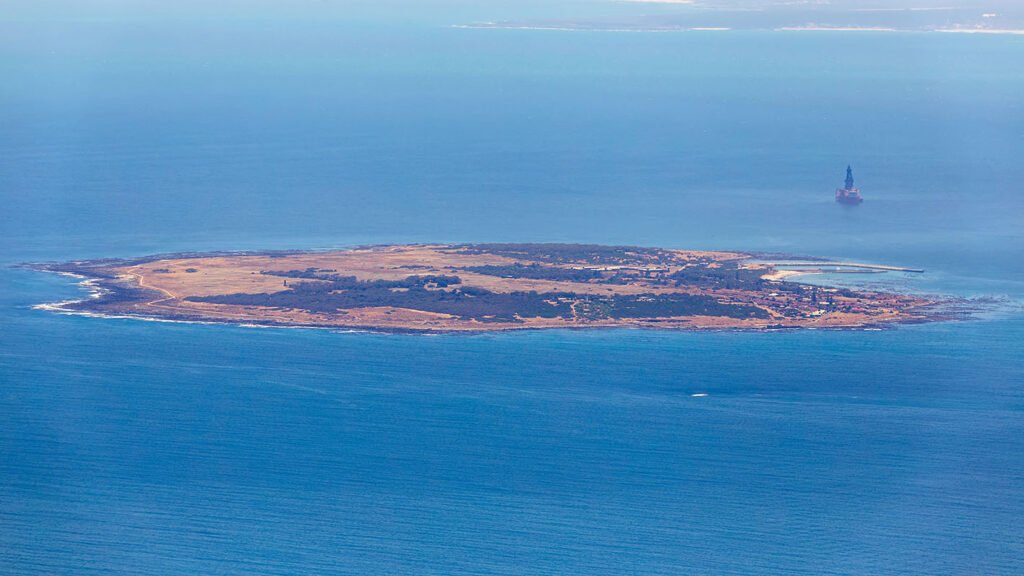
Introduction to Robben Island
Robben Island, situated approximately 7 kilometers off the coast of Cape Town, South Africa, holds historical significance as a symbol of the country’s tumultuous past. This island, which spans roughly 5.4 square kilometers, has served various purposes throughout its history, including a military base, a prison, and a leper colony. Nonetheless, it is perhaps most renowned for its role as a maximum-security prison during the apartheid era, where prominent figures, such as Nelson Mandela, were incarcerated for their fight against racial segregation and oppression.
In recognition of its cultural and historical importance, Robben Island was designated a UNESCO World Heritage Site in 1999. The designation underscores the island’s role as a site of struggle for freedom and human rights, illustrating the broader narrative of resistance against apartheid in South Africa. The physical remnants of the prison, along with its associated histories, serve as poignant reminders of the country’s journey towards democracy.
The historical context of Robben Island is interwoven with the larger story of South African history, marking it as a critical landmark in the fight for equality and justice. It reflects not only the struggles faced by those who were imprisoned there but also the collective resilience of a nation striving for liberation. Today, Robben Island stands as a testament to both the sacrifices made by countless individuals and the progress achieved in building a more inclusive society.
As visitors explore the island, they encounter stories that illuminate the harsh realities of life under apartheid while also celebrating the spirit of hope and unity that emerged from adversity. Robben Island continues to be an essential destination for those seeking to understand the complexities of South Africa’s past and the enduring lessons it imparts.
A Historical Journey
Robben Island has served various significant roles throughout its extensive history, establishing itself as a prominent symbol of resilience and the struggle for justice in South Africa. Its early use dates back to the 17th century when it was employed as a quarantine station for incoming ships. This function came as a response to the risks of plankton bloom and other diseases that threatened the health of sailors and settlers. Over time, the island transitioned into a place of exile, where political dissidents were banished from the mainland. This initial use laid the groundwork for the island’s later, more notorious role during the apartheid era.
The apartheid system implemented from 1948 to the early 1990s transformed Robben Island into a maximum-security prison, where many of South Africa’s most influential freedom fighters were incarcerated. Among them was Nelson Mandela, who was imprisoned here for 27 years. Mandela’s resilience during his incarceration not only highlights the grim realities faced by political prisoners but also emphasizes the island’s pivotal role in the fight against apartheid. His experiences on Robben Island were foundational in shaping his vision for a democratic South Africa, making the location historically significant beyond its physical boundaries.
Prominent figures associated with the island, such as Walter Sisulu and Govan Mbeki, were instrumental in the anti-apartheid movement, adding depth to Robben Island’s narrative. Each political prisoner, confined within the island’s walls, contributed to a collective history of resistance against oppression. The prison’s harsh conditions fueled national and international campaigns for justice, and upon their release, many former inmates became key figures in the country’s political landscape. Consequently, Robben Island stands as a site of profound historical value, representing the broader struggle for human rights and social justice not only in South Africa but also globally.
Cultural Impact and Legacy
Robben Island, most recognized for its role as a political prison, has influenced the cultural landscape of South Africa. The imprisonment of numerous anti-apartheid activists, including Nelson Mandela, has solidified the island’s significance in the national consciousness. The narratives of resilience, struggle, and sacrifice associated with Robben Island have contributed substantially to the formation of South African identity in the post-apartheid era. These stories resonate not only within the borders of South Africa but also across the globe, symbolizing the universal fight for justice and equality.
The experiences of the prisoners on Robben Island have inspired countless artistic expressions, including literature, visual art, and music. Writers such as Mandela himself, whose memoir “Long Walk to Freedom” recounts his experiences on the island, have helped shape a narrative that emphasizes the importance of freedom and the human spirit. The cultural artifacts produced in response to the prison experience serve as powerful reminders of the struggle against oppression, becoming integral to South Africa’s cultural heritage. Furthermore, these narratives are crucial in fostering a collective memory that honors the sacrifices made by those who fought against apartheid.
Additionally, Robben Island has become a site of heritage tourism, drawing visitors eager to learn about its history and the legacy of its former inmates. This influx of visitors contributes to an ongoing dialogue about social justice, reconciliation, and the importance of remembering history. The transformation of Robben Island from a site of confinement to a beacon of hope reflects broader societal shifts towards understanding and overcoming the past. The cultural impact of Robben Island continues to be felt today, shaping the identities of South Africans and encouraging a legacy of activism and resilience that is relevant for future generations.

Visiting Robben Island: What to Expect
Robben Island, a UNESCO World Heritage Site, is a significant destination for those interested in South Africa’s tumultuous history. To visit this iconic site, tourists typically start their journey from the V&A Waterfront in Cape Town, where ferries operate daily. The ferry ride takes approximately 30 minutes, offering visitors stunning views of Table Mountain and the city skyline.
The tours of Robben Island are designed to educate visitors about its historical context, particularly its role during the apartheid era. Once on the island, guests are greeted by knowledgeable guides, many of whom are former political prisoners with firsthand experiences of the island’s oppressive legacy. Tours generally last around three and a half hours and include a visit to the notorious prison cell where Nelson Mandela was incarcerated for 18 years. This poignant site serves as a reminder of the struggles faced by many South Africans in the fight for freedom and equality.
In addition to the prison, Robben Island hosts several key historical landmarks, such as the Lime Quarry, where inmates were forced to work under grueling conditions, and the educational exhibits detailing the broader impacts of apartheid. Visitors can also explore the island’s diverse flora and fauna, including a variety of bird species, which thrive in the unique ecosystem of this remote location.
It is advisable for tourists to pre-book their ferry tickets, particularly during peak tourist seasons, as demand can be high. Visitors should also check for specific tour schedules and any additional information on accessibility for those with mobility issues. Adequate preparation will ensure a meaningful experience on Robben Island, ultimately allowing visitors to reflect on the resilience and strength of those who once fought for freedom on this significant piece of South African history.
Personal Stories and Testimonies
Robben Island holds countless personal stories that reflect the resilience and perseverance of its former prisoners. The narratives of those who experienced incarceration on this island serve as powerful reminders of the struggles endured during South Africa’s apartheid era. One particularly moving account comes from a former political prisoner, who describes his time on the island as both dehumanizing and enlightening. He recounts the harsh conditions faced in the prison cells, yet emphasizes the solidarity forged among inmates, which became a source of strength and hope.
Visitors to Robben Island often share their impressions of the evocative stories shared by the guides—many of whom are former inmates themselves. These guides recount their experiences with an authenticity that captivates audiences and invites a deeper understanding of the impact of apartheid. Hearing stories of daily life behind bars, the clever ways prisoners smuggled messages, and the unyielding spirit of resistance provides tourists with an immersive glimpse into history. One visitor recounted her emotional reaction to a guide’s tale of camaraderie, highlighting how these lived experiences resonate beyond the confines of the physical site.
The testimonies of former political prisoners serve to honor those who were not just confined to Robben Island, but whose voices and spirits had a profound influence on the fight for justice and equality. Personal stories from various perspectives reveal not only the emotional weight of the island’s history but also the transformative journeys of individuals who emerged from those struggles. The significance of Robben Island transcends time, as it continues to inspire visitors through accounts of resilience, unity, and ultimately, triumph over adversity. Such narratives ensure that the lessons of the past remain alive in collective memory.
Conservation and Preservation Efforts
Robben Island embodies a rich historical narrative, primarily linked to its role in the fight against apartheid in South Africa. The island has faced numerous challenges in preserving its historical and cultural integrity. To address these challenges, a multi-faceted approach involving government support, non-governmental organizations, and community involvement has emerged as essential. These entities work collaboratively to ensure that the historical significance of Robben Island is maintained for future generations.
One of the primary challenges in the conservation of Robben Island is environmental degradation. The island’s ecosystems, including its diverse flora and fauna, are threatened by invasive species and climate change. Effective management strategies are being implemented to mitigate these threats. This includes monitoring of the islands’ natural resources, habitat restoration, and awareness campaigns aimed at educating visitors about the impact of their activities on the delicate ecosystem.
Governmental support plays a crucial role in the conservation efforts of Robben Island. The South African government has committed resources toward preserving the site, recognizing its importance as a symbol of freedom and resilience. This support facilitates necessary maintenance, restoration projects, and educational programs aimed at maximizing public understanding of the island’s significant historical context.
Additionally, various organizations dedicated to heritage preservation actively engage in educational outreach and community initiatives. These organizations are vital in fostering appreciation for the site’s rich history, conducting guided tours, and providing historical context to visitors. Through partnerships with educational institutions, they develop programs that enhance the understanding of the island’s contributions to the struggle for human rights.
The conservation and preservation of Robben Island as a historical site hinges on the collaborative efforts of government, organizations, and the community to safeguard its legacy, despite the ongoing challenges it faces. Ensuring its maintenance and educating future generations about its significance remain imperative components of these ongoing initiatives.
Educational Programs and Insights
Robben Island stands as a pivotal site for education and reflection, offering a unique opportunity for visitors to engage with South Africa’s complex historical narrative. The island is not only a UNESCO World Heritage Site but also a living museum that conveys the profound experiences of its former political prisoners, including Nelson Mandela. Educational programs at Robben Island are strategically designed to foster an understanding of the injustices faced during the apartheid era, as well as to celebrate the resilience and courage exhibited by those who fought against it.
One of the most impactful ways to learn about Robben Island’s history is through guided tours, which are often led by former inmates who share their personal stories. These tours provide visitors with an authentic perspective on life within the prison walls, inviting them to grasp the challenges faced by political activists. The stories shared during these tours highlight the importance of reconciliation and the role that education plays in achieving social justice. Additionally, the tours are structured to accommodate various age groups and educational backgrounds, ensuring that all visitors leave with a deeper understanding of the island’s significance.
Workshops and school programs are integral components of Robben Island’s educational outreach. These programs are tailored to engage students and young people, encouraging them to explore themes of freedom, human rights, and social responsibility. Through interactive sessions, participants not only gain insights into the historical events associated with the island but also engage in critical discussions concerning current social issues. By embracing the educational potential of Robben Island, future generations are empowered to uphold the lessons learned from the past, fostering a commitment to human rights and dignity for all.
Robben Island in Popular Culture
Robben Island holds a profound place in the collective consciousness, extending beyond its historical significance as a prison for political prisoners during apartheid in South Africa. Over the years, it has been depicted in various forms of popular culture, including literature, films, and the arts, serving as a symbol of resistance, suffering, and resilience. The island’s narrative has been instrumental in shaping global awareness of the apartheid regime and its repercussions.
In literature, notable authors like Nelson Mandela himself have provided firsthand accounts of life on Robben Island. His autobiography, “Long Walk to Freedom,” paints a vivid picture of the harsh realities endured by inmates and serves as a critical reflection on the broader socio-political landscape of South Africa. Works of fiction and non-fiction by other writers have also drawn inspiration from the island, often highlighting its role as a site of struggle against oppression.
Robben Island has also been represented in films, most notably in documentaries such as “A Country of My Skull” and dramatizations that have explored Mandela’s life. These films have contributed to a widespread understanding of the island’s impact on the anti-apartheid movement, showcasing the personal stories of those who were imprisoned there. The visual medium allows for a deeper emotional connection, helping audiences grasp the significance of the island as more than just a place of confinement.
Artistic expressions, including theater and visual art, have further addressed the narrative of Robben Island. Artists have used their platforms to provoke thought and discussion around the themes of justice, freedom, and reconciliation. Installations and performances often recount the experiences of former prisoners, ensuring that the legacy of Robben Island continues to inspire conversations about human rights and activism globally.
The Enduring Symbol of Freedom
Robben Island stands as a potent symbol of freedom and resilience, deeply embedded in the collective memory of South Africa’s struggle against oppression. Its historical significance extends far beyond the confines of its prison walls, reminding us of the country’s tumultuous past and the enduring spirit of those who fought for equality and justice. Originally used as a place of exile, Robben Island became a site where numerous political prisoners, including the iconic Nelson Mandela, were incarcerated during the harsh years of apartheid. The stories of resistance and dignity exhibited by these individuals transform the island into a living testament to the human spirit’s capacity to overcome adversity.
The rich narrative of Robben Island encompasses themes of sacrifice, hope, and the quest for democracy. Today, it serves both as a museum and a memorial, attracting visitors from around the globe who seek to understand the complexities of South Africa’s history. They encounter not only the physical remnants of the prison but also the powerful tales of courage and camaraderie that unfolded within its walls. This collective remembrance fosters a deeper appreciation for the values of freedom and justice, principles which continue to resonate within South Africa’s ongoing journey toward reconciliation.
Robben Island’s significance transcends its geographical location. It stands as a universal emblem of the fight against oppression, reminding humanity of the vital importance of safeguarding democratic principles worldwide. As the nation grapples with its past and strives for a more equitable future, Robben Island’s legacy serves as an important educational resource, fostering dialogue and reflection concerning human rights and social justice. The island is not merely a historical site; it is an enduring source of inspiration, symbolizing the hope that the fight for freedom is a journey worth undertaking.