
Introduction to Table Mountain
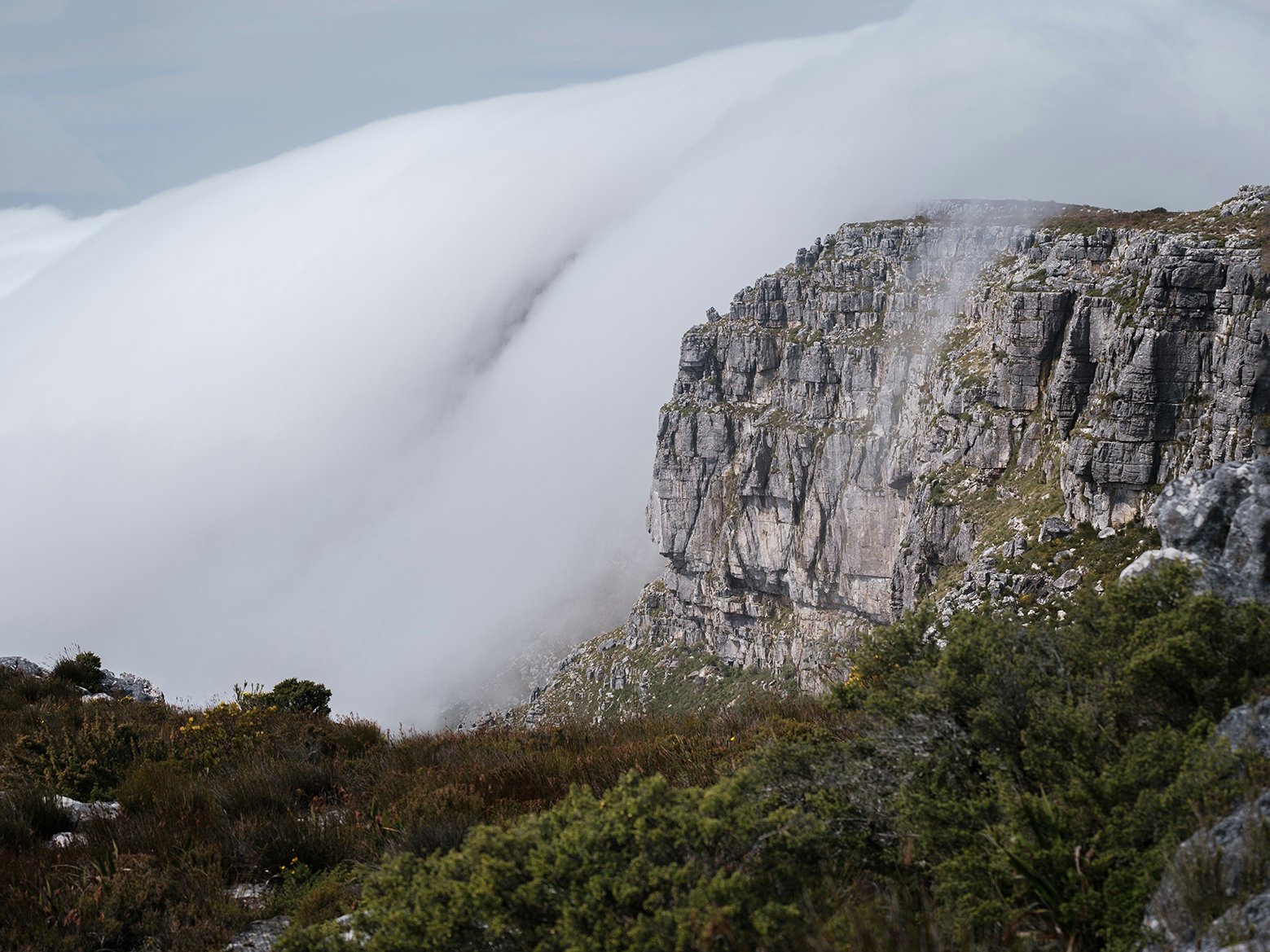
Table Mountain is renowned for its distinctive flat-topped silhouette that dramatically defines the skyline of Cape Town. This natural wonder rises to an elevation of approximately 1,086 meters (3,563 feet) and is characterized not only by its height but also by its unique geological formations and rich biodiversity. The mountain is part of the Table Mountain National Park, a protected area designated to conserve its unique flora and fauna, which includes numerous endemic species.
The geological significance of Table Mountain dates back millions of years, with its sandstone composition shaped by erosion and geological forces. The plateau, which resembles a giant table, provides a unique environment that supports a diverse ecosystem. It is home to various wildlife and plant species, many of which can only be found in this specific region, rendering it a site of great ecological importance.
Culturally, Table Mountain holds a significant place in the hearts of the local communities. For centuries, it has been an inspirational symbol and a source of spiritual significance for the indigenous San people and various Khoisan communities. The name “Table Mountain” is believed to have originated from the early European explorers who likened its flat top to that of a table. This historical context adds another layer of meaning to the mountain, making it not just a geographical feature but also a profound emblem of Cape Town’s heritage.
Table Mountain attracts countless visitors each year, serving as a popular destination for hiking, sightseeing, and photography. Its panoramic views offer breathtaking experiences, making it an unmissable highlight for any traveler to Cape Town.
Geological Features and Formation
Table Mountain has a fascinating geological history that dates back millions of years. Its formation is primarily attributed to a combination of tectonic movements and erosion, which have shaped its distinctive rugged landscape. The mountain is part of the Cape Fold Mountain range and showcases a remarkable variety of geological features that reflect the Earth’s dynamic processes.
The predominant rock type found at Table Mountain is Cape Granite, which is primarily composed of quartz, feldspar, and mica. This granite was formed during the late Paleozoic era, approximately 300 million years ago, when tectonic forces resulted in the collision of the African and South American continental plates. This violent geological activity not only created the granite but also gave rise to the striking topography typical of the region.
On top of the granite, visitors can also observe Table Mountain Sandstone, which has its origins in ancient river systems and coastal environments. This sandstone was deposited over 500 million years ago during the early Paleozoic era. Through the processes of weathering and erosion, the softer sandstone layers have been sculpted into the flat-topped formation that characterizes Table Mountain today. The eroded sandstone cliffs further contribute to the mountain’s dramatic skyline, while revealing intricate layers that narrate the geological history of the area.
Additionally, various fossils found within these rock strata indicate the presence of a rich marine environment during different geological epochs, further demonstrating the complex nature of Table Mountain’s formation. The interplay between these geological features not only provides insights into Earth’s history but also enriches the biodiversity and scenic beauty that make Table Mountain a cherished natural icon in Cape Town.
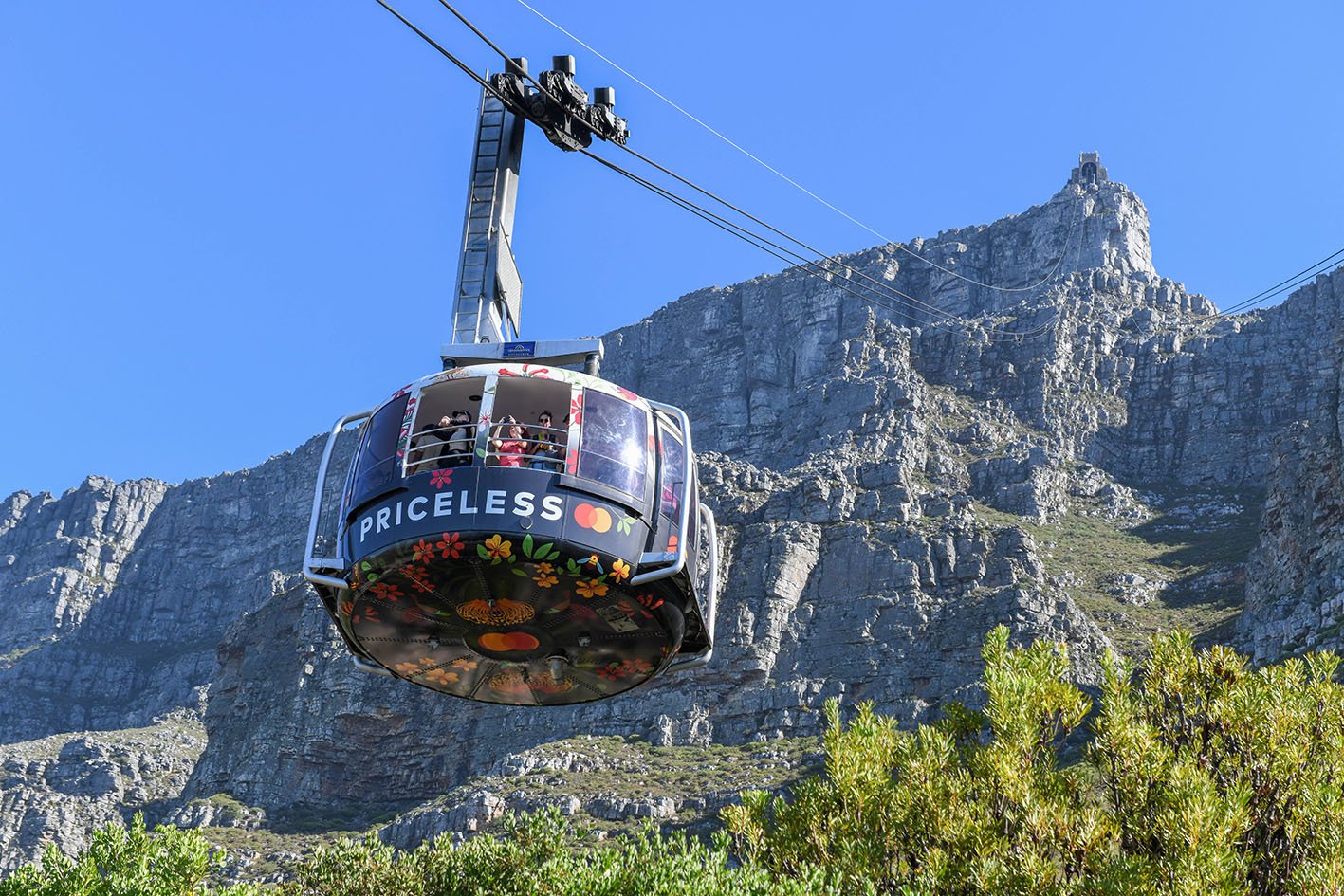
Table Mountain Aerial Cableway Experience
The Table Mountain Aerial Cableway is a remarkable feat of engineering and a popular attraction for visitors to Cape Town. Opened in 1929, the cableway was designed to provide access to the breathtaking views atop Table Mountain with minimal environmental impact. The journey starts at the base of the mountain, where visitors board modern cable cars that can hold up to 65 people. The ascent is smooth and swift, rising over 1,000 meters in just a few minutes.
As the cable car climbs, passengers are treated to panoramic views of the surrounding landscape, including the vibrant city of Cape Town, the Atlantic Ocean, and the iconic Robben Island in the distance. The rotating floor of the cable car ensures that everyone is guaranteed a 360-degree view during the ride, making it an exhilarating experience. Enthusiastic travelers often describe this experience as one of the highlights of their visit to the region, capturing stunning photographs of the scenery at various altitudes.
Flora and Fauna of Table Mountain
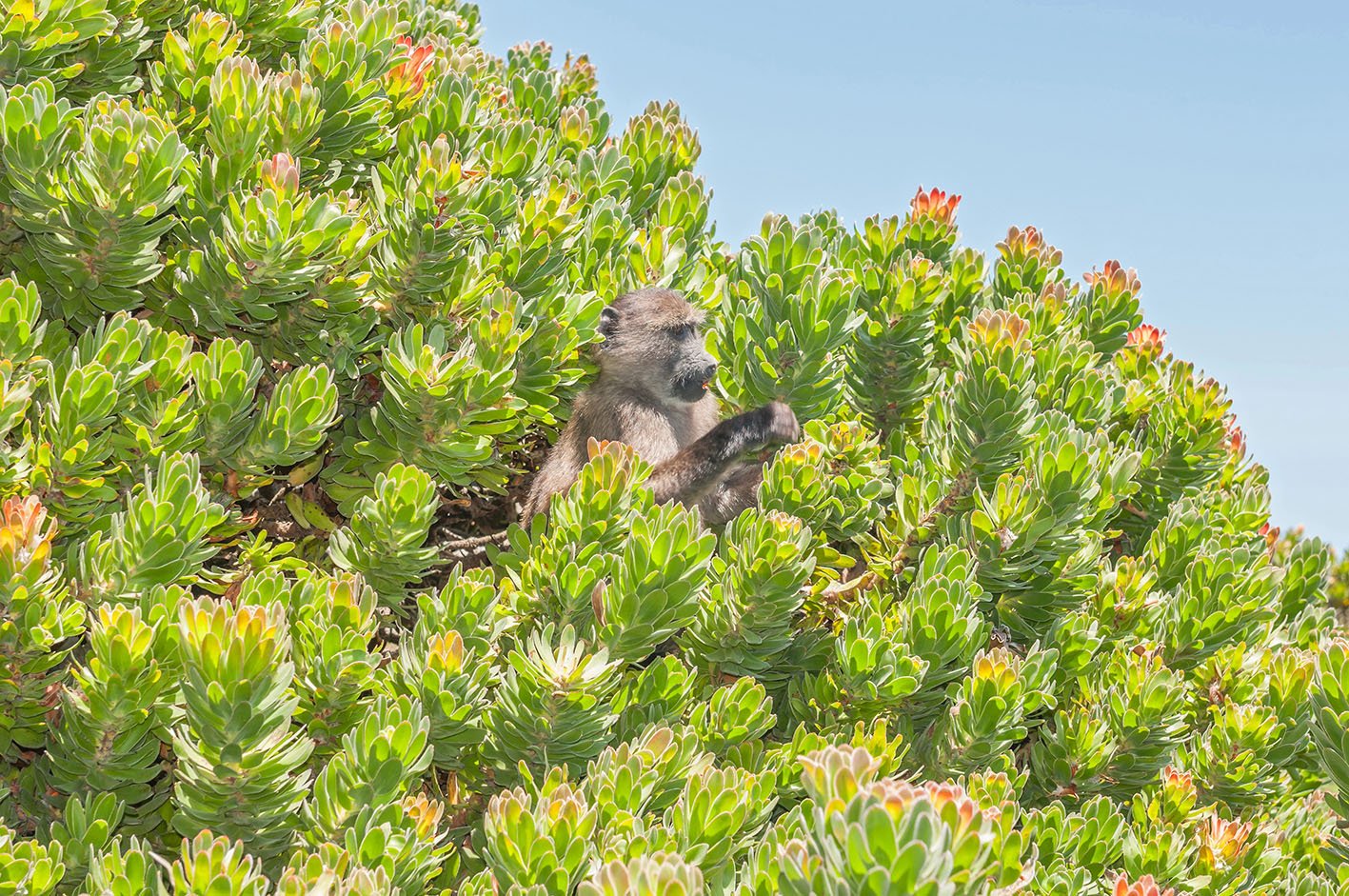
Table Mountain stands as a remarkable testament to South Africa’s rich biodiversity, primarily through its unique fynbos biome. This vegetation type, which is characterized by small-leaved shrubs and a variety of flowering plants, is one of the world’s most diverse and threatened ecosystems. The fynbos on Table Mountain boasts more than 1,500 plant species, a staggering number for such a relatively small area. Among these, the iconic Protea species, including the King Protea, and various Ericas are particularly noteworthy, showcasing a stunning array of colors and forms throughout the year.
In addition to flowering plants, Table Mountain is home to several endemic species that can be found nowhere else on Earth. From the vibrant red and yellow flowers of the Gladiolus to the impressive tall shrubs like the restios, this region is a paradise for botanists and nature enthusiasts alike. The fynbos not only contributes to the mountain’s scenic beauty but also serves crucial ecological functions such as preventing soil erosion and supporting local wildlife.
The wildlife associated with Table Mountain is equally diverse and captivating. Birdwatchers flock to the area to observe various species, including the Cape Sugarbird and the endemic Table Mountain Ghost Frog. Mammals, such as the Klipspringer and the Cape Rock Hyrax, are commonly spotted amongst the rocky outcrops, while reptiles like the Cape Cobra and various skinks add to the ecological tapestry of this region. Due to this rich diversity, Table Mountain serves as a vital research site, offering insights into different species’ adaptations and interactions within the fynbos ecosystem.
As a hotspot for biodiversity, Table Mountain not only attracts nature lovers, but it also plays a significant role in conservation efforts. The delicate balance of flora and fauna here underscores the importance of preserving this natural heritage for future generations, making it essential to promote responsible exploration and appreciation of such a unique environment.
Recreational Activities and Hiking Trails
Table Mountain, an iconic landmark of Cape Town, offers a plethora of recreational activities that cater to various interests and skill levels. Hiking is one of the major attractions on this majestic mountain, providing numerous trails that allow visitors to experience the stunning scenery and unique biodiversity. Among the most popular hiking routes is Platteklip Gorge, renowned for its direct path to the summit. This well-marked trail is ideal for those seeking a challenging yet rewarding hike, as it ascends steeply and provides breathtaking views of the city and coastline.
Another notable trail is Skeleton Gorge, which winds through a lush forested area. This route is favored for its diverse flora and fauna, making it a delight for nature enthusiasts. The path is considered moderate to difficult due to its steep sections and rocky terrain, but it rewards adventurers with a picturesque waterfall and panoramic vistas from the top of the mountain. Both trails are accessible to hikers of varying skill levels, although some preparation and physical fitness are advisable.
In addition to hiking, Table Mountain is a popular destination for rock climbing and mountain biking. The cliffs and crags provide an ideal playground for climbers, ranging from beginners to experienced adventurers. Various climbing schools offer guided climbs and equipment rentals. Mountain biking trails also abound on Table Mountain, with routes tailored to different expertise levels. These trails not only promote fitness but also offer unforgettable views of the natural landscape.
When planning a visit, it is essential for participants to dress appropriately, stay hydrated, and consider the weather conditions, as they can change rapidly. Whether hiking, climbing, or biking, Table Mountain provides a dynamic experience for outdoor enthusiasts, inviting all to explore its majestic beauty.
Conservation Efforts and Challenges
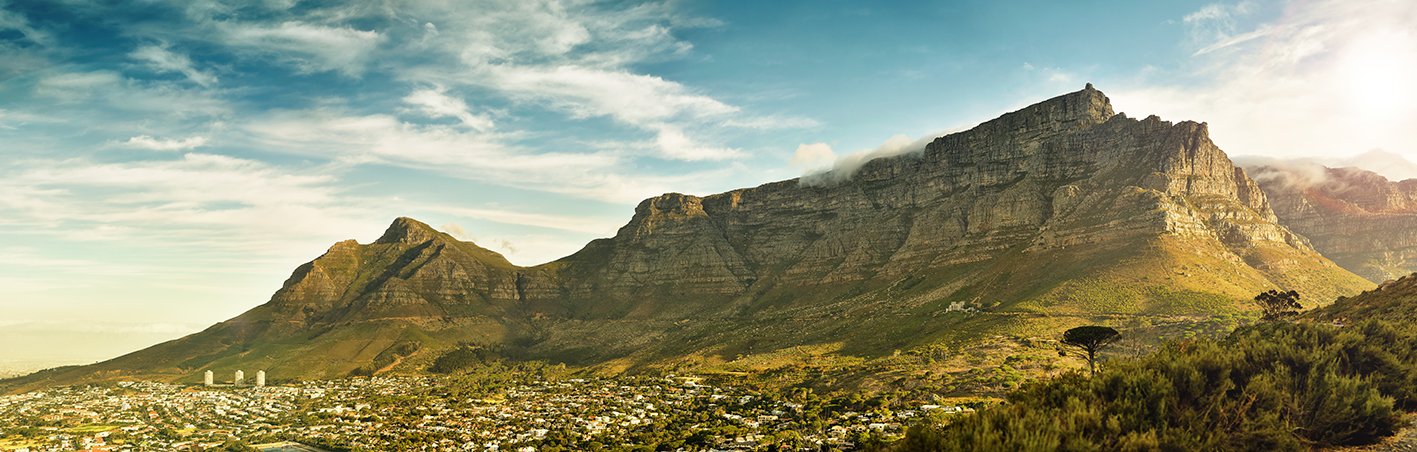
Table Mountain, known for its striking landscape and biodiversity, is a natural heritage site that requires constant conservation efforts. The unique ecosystems found on the mountain, including fynbos vegetation, are not only regionally significant but are also recognized as a biodiversity hotspot. The Table Mountain National Park (TMNP) plays a pivotal role in the protection and management of these ecosystems, employing a variety of strategies to combat threats such as invasive species and the impact of tourism.
One of the primary challenges facing conservationists is the proliferation of invasive plant species which threaten to disrupt native habitats and deplete resources. Programs aimed at the removal of these species often involve community engagement and educational initiatives to raise awareness about the importance of preserving indigenous flora. Regular monitoring of the ecosystems is also crucial for assessing changes and evaluating the effectiveness of these programs.
Tourism, while vital to Cape Town’s economy, poses significant challenges to conservation efforts. The influx of visitors can lead to soil erosion, littering, and trampling of vegetation along popular hiking routes. To mitigate these impacts, the TMNP has implemented measures such as designated trails, visitor education campaigns, and capacity limits on certain paths during peak seasons. Together, these initiatives aim to balance the enjoyment of Table Mountain’s attractions with the need to protect its fragile ecosystems.
Climate change remains a pressing concern, with shifting weather patterns affecting the local biodiversity. Conservation strategies now include adaptive management approaches, ensuring resilience against potential future changes. By prioritizing sustainability, ongoing research, collaboration with local communities, and public awareness, Table Mountain’s conservation efforts strive to safeguard its unique environment for generations to come.