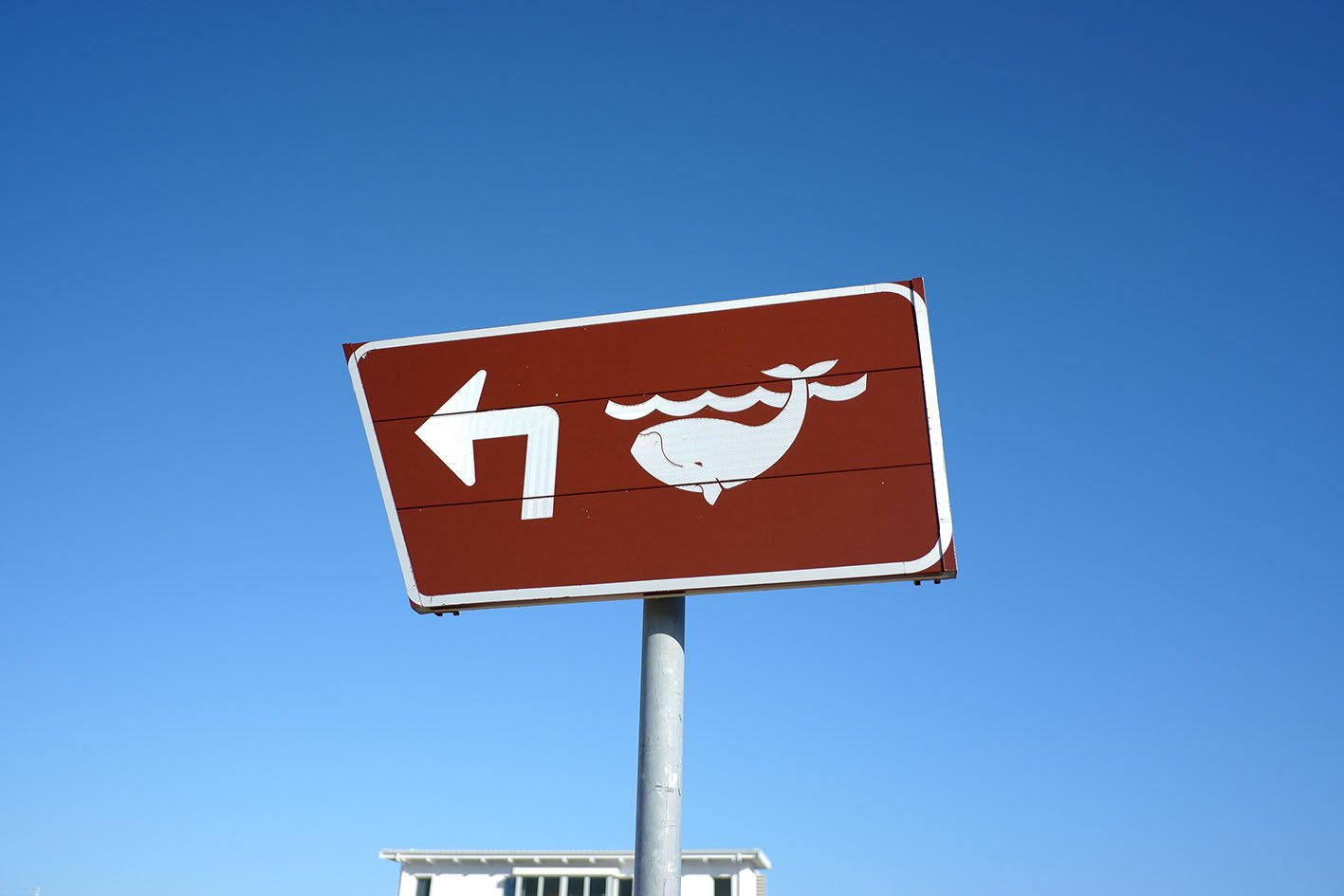
A Whale Watching Mecca
Whale Watching in Cape Town
Cape Town is one of the best places on the planet for whale watching. Massive Southern right whales, humpback whales, and Bryde's whales show up off the coast every year.
From June through November, you can spot whales here—sometimes for free from the shore, or on boat tours where you might get just meters away. The region’s wild geography means you get both epic land and sea perspectives.
The waters around Cape Town are a vital breeding and calving ground for migrating whales. Southern right whales, in particular, travel all the way from Antarctica each winter.
These gentle giants can hit 60 tons and often cruise close to the shore. That makes them surprisingly easy to spot, whether you’re up on a cliff, down on a beach, or out on a boat.
For travelers, it doesn’t matter if you’re after a quick look from land or want the thrill of a boat ride—Cape Town’s got you covered. There’s everything from the famous whale town of Hermanus to the gorgeous False Bay coastline.
You’ll have plenty of chances to see whales breaching, spouting, or just rolling around right in their natural habitat.
Why Cape Town Is a Premier Whale Watching Destination
Cape Town sits in a spot that’s just perfect for whales. The marine ecosystem here is rich, and it’s right on major migration routes.
Strong conservation efforts don’t hurt either. It’s no wonder this place is a global hotspot for whale watching.
Unique Marine Biodiversity
The waters here are home to a surprising variety of whale species. Most common are Southern right whales, which can reach 15 meters and weigh up to 60 tons—pretty wild when you see them up close.
Primary Species:
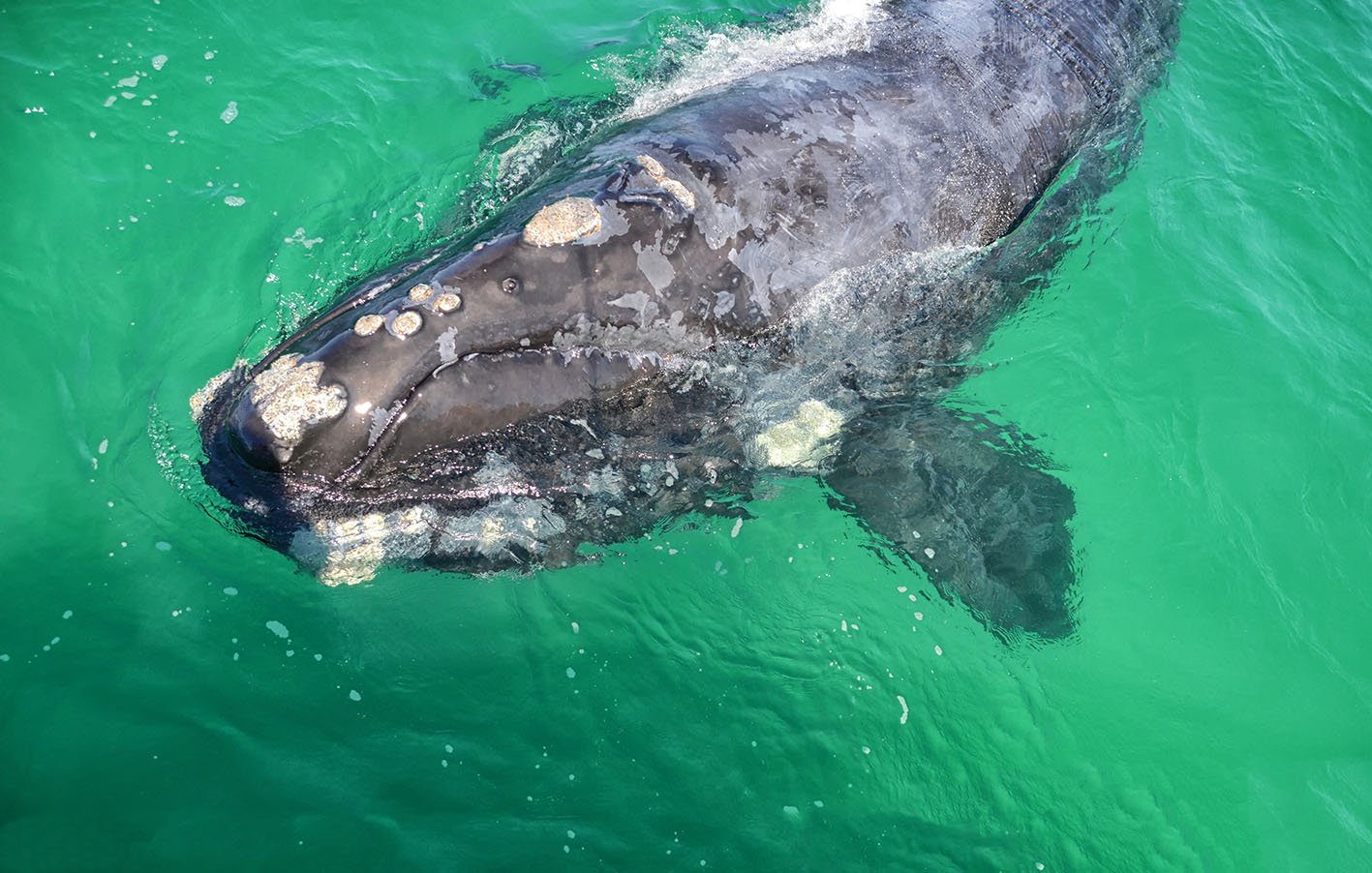
- Southern right whales - Look for rough, barnacle-covered skin patches on their heads
- Humpback whales - Hard to miss with their long fins and signature hump
- Bryde's whales - The only ones that stick around all year
The Cape’s marine ecosystem is famous for the so-called "Marine Big 5." That’s whales, dolphins, seals, sharks, and African penguins.
False Bay is a solid bet if you want to see whales near the city. Its warmer, sheltered waters draw in lots of whales during the peak months.
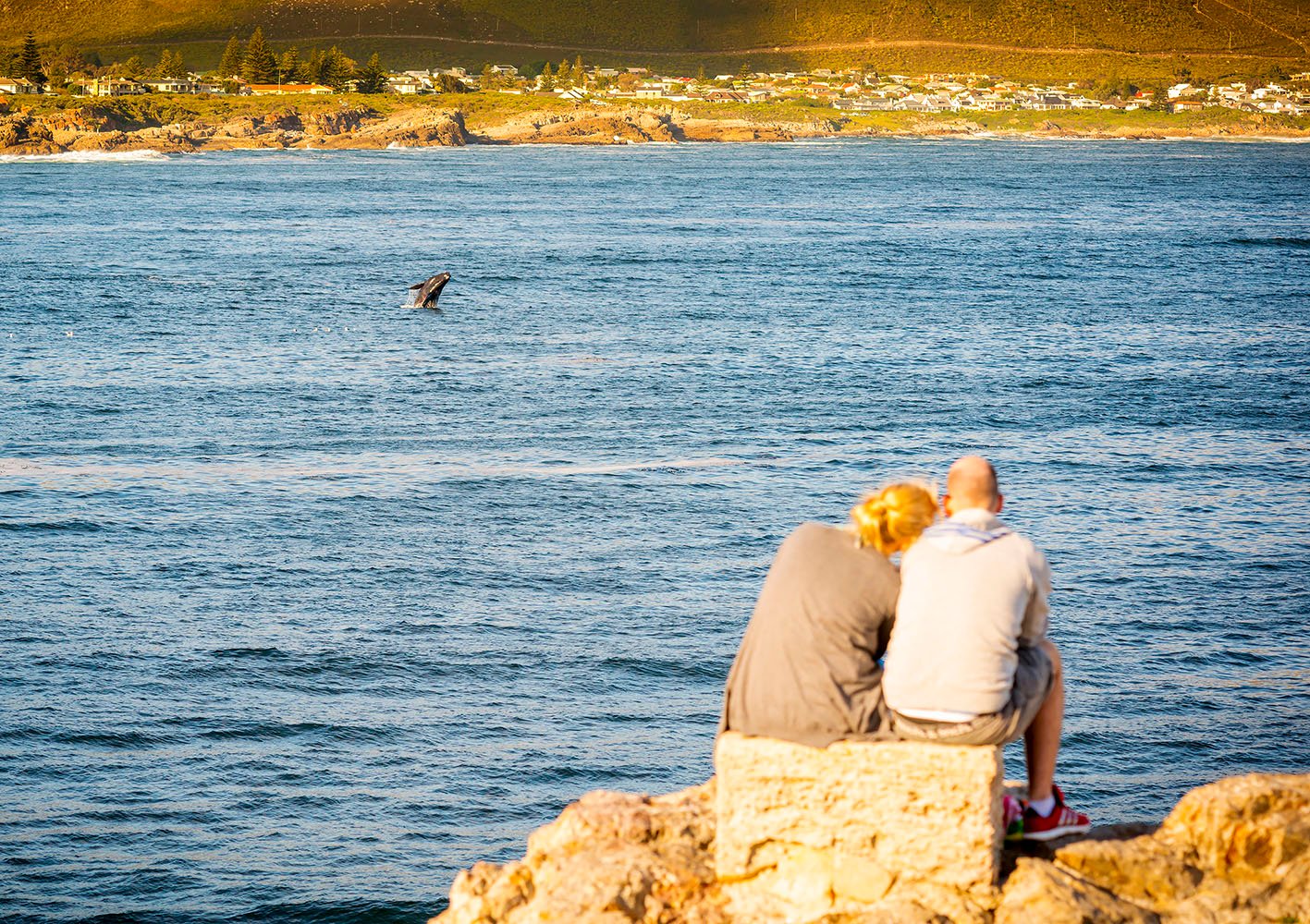
Southern right whales are especially easy to spot because they’re slow swimmers. Around Hermanus, they sometimes get ridiculously close to shore.
Migration Routes Along the South African Coast
The South African coast is a superhighway for migrating whales, moving between feeding and breeding grounds. Southern right whales make the trip from Antarctica to Cape Town’s warmer waters to mate and give birth.
Migration Timeline:
- June to November - Southern right whales arrive from Antarctica
- May to November - Humpback whales pass through on their way north
- Year-round - Bryde’s whales hang out all the time
Cape Town’s sheltered bays are a safe nursery for whales and calves. Cape Agulhas has seen up to 50 pairs of mothers and babies at once.
The continental shelf here means deep water is close to shore, which is great for whales and for anyone hoping to see them from land.
Conservation Efforts and Marine Protection
South Africa actually put whale protection laws in place back in 1935, making Southern right whales a protected species. That early start helped their numbers recover a lot over the decades.
Marine protected areas along the Cape coast are a real lifeline for whales and calves. Fishing and boat traffic are restricted in key breeding zones.
Conservation Measures:
- Strict approach distances for boats on whale tours
- Seasonal fishing limits in nursery areas
- Marine sanctuary zones around major breeding sites
Organizations like Marine Dynamics run research alongside their tours, collecting data on whale behavior and populations.
The Hermanus Whale Festival, held every October, is all about raising awareness and celebrating the migration. It’s a fun way to learn about marine protection.
Types of Whales in the Cape Town Area
There are three main whale species you might see here, depending on the time of year. Southern right whales show up from June to November, humpbacks pass through from May to November, and Bryde’s whales stick around all year.
Southern Right Whales and Migration Patterns
Southern right whales are the stars off Cape Town’s coast. They migrate from Antarctica every year, looking for warmer waters to have their babies.
They arrive between June and November and stick around for about six months to raise their young.
Key Features:
- About 15 meters long
- Up to 60 tons
- Rough skin patches with barnacles on their heads
- Double blowholes
- Long, curved mouths
Hunters once called them the "right" whales to catch because they’re slow and float after death. Thankfully, that stopped in 1935 when protections kicked in.
They’re easy to spot since they come close to shore. Mothers and calves usually hang out in shallow, calm bays.
Humpback Whales and Feeding Behaviors
Humpbacks are on their own epic journey, passing through Cape Town waters as they migrate between polar feeding grounds and warmer breeding spots up north.
You’ll see them mostly from May to November. Look for their humped backs and those crazy-long fins.
Physical Features:
- Obvious hump on their backs
- Bumpy heads
- Super long side fins
- Dark bodies with white patches
Humpbacks are sociable—sometimes hanging out with dolphins or even Southern right whales. They’re also showy, leaping and slapping the water, which is just plain fun to watch.
Year-Round Bryde's Whales
Bryde’s whales are the only ones you can see any time of year in South African waters. They’re a bit elusive, though.
They dive deep and only surface briefly for air, so you’ll need some patience—and maybe a little luck—to spot one.
Where to Find Them:
- Best between the West Coast and Port Elizabeth
- Dark gray with white bellies
- Three ridges near the blowhole
Bryde’s whales are shy and don’t linger at the surface. Their year-round presence gives you a shot at a sighting even outside the main whale season, but it’s definitely less predictable.
Other Marine Species: Dolphins and More
There’s a lot more than just whales in these waters. Bottlenose dolphins are everywhere and sometimes swim right alongside the whales.
Common Marine Life:
- Bottlenose dolphins
- Cape fur seals
- African penguins
- Sharks of various kinds
Dolphins are social, zipping around in groups and often playing in boat wakes. Some tours call this cast of characters the "Marine Big 5."
Seals hang out on local islands and share the same waters as whales. African penguins nest at places like Boulders Beach and love swimming in False Bay.
The mix of marine life here means you’ll probably see more than just whales on a typical tour.
Whale watching details
Best Time for Whale Watching in Cape Town
The whale watching season runs from June through December, with the real sweet spot in September and October. Different whales arrive at different times, and the viewing can change a lot depending on the weather and time of day.
Prime Months and Seasonal Highlights
June through November is when you want to be here. That’s when thousands of whales migrate along the coast.
September and October are peak months—if you want the best shot at lots of sightings, aim for then.
Southern right whales usually show up first, starting in June. They stick around through November, making them the most reliable to spot.
By December, the season starts winding down. Come January, most whales have moved on.
July through September is solid for consistent sightings. The weather is generally stable, and whale numbers keep climbing.
Hermanus once logged over 1,000 whale sightings in a single day during peak season. That’s just wild.
Different Whale Species by Month
Southern right whales dominate from June through November, coming here to mate and have calves.
Humpback whales show up mostly between June and November, too. They tend to stick further offshore than the right whales.
Bryde’s whales are around all year, but you’ll have better luck spotting them during the main season when conditions are good and more tours are running.
June and July bring the first southern right arrivals—usually pregnant females looking for quiet places to give birth.
August through October is when things get really interesting. You might see multiple whale species in just one trip.
November often features mothers with playful calves, which makes for some pretty adorable viewing.
Morning vs. Afternoon Viewing
Mornings are usually best—the sea’s calmer, and visibility is better before the wind picks up.
Most tours leave between 9:00 and 11:00 AM. Whales seem more active in the morning, so you get more surface action.
Afternoons can be great too if it’s calm. The light’s better for photos, and there are usually fewer people out there.
Evening trips are special—watching whales with a sunset backdrop is honestly something else. Late afternoon and early evening often bring another burst of activity.
Still, weather trumps everything. Calm seas and clear skies matter more than the clock when it comes to actually spotting whales.
Weather and Visibility Factors
Calm weather is key. Strong winds make for rough seas, which isn’t much fun—and makes whales harder to spot.
Winter in Cape Town brings steadier weather, which lines up nicely with the main whale migration.
Visibility drops on overcast days. When the sky’s clear, you can spot whale spouts from way further off.
Wind direction can make or break a viewing spot—some places stay sheltered when others get too rough.
Sea conditions matter more than air temperature. Even a cold, clear day can be perfect if the ocean’s flat.
Rain and fog? Tours usually get canceled. It’s just not safe or practical when you can’t see a thing.
Top Whale Watching Locations Near Cape Town
Cape Town’s got some truly epic spots for whale watching. False Bay has the warmest waters and tons of whales, while the Atlantic side brings dramatic clifftop views from Chapman's Peak and easy boat tours from Table Bay.
False Bay and Simon's Town
False Bay is probably Cape Town's top spot for whale watching, thanks to its sheltered waters and reliable whale activity. The bay sits on the eastern side, so it dodges those fierce westerly winds, meaning calmer days for both whales and people hoping to see them.
S
imon's Town is the main hub for whale watching in False Bay. It's got a naval base and the famous penguin colony at Boulders Beach, which draws plenty of visitors and offers great infrastructure for whale viewing.
Best viewing spots include:
- Whale Beach and Seaforth Beach
- Simon's Town harbor wall
- Boyes Drive scenic route
- Fish Hoek Beach to Muizenberg coastline
Southern right whales show up here from June to November, and mothers with calves like to stick close to the shore where it's safer. Bryde's whales hang around all year, while humpbacks just pass through during their migrations.
The False Bay coastline is dotted with elevated viewing points along the main road. You can see whales from land without splurging on a boat tour—pretty handy, honestly.
Hout Bay and Chapman's Peak
Hout Bay is a working fishing harbor, but it's also a solid spot for whale watching along the Atlantic coast. Its sheltered waters make it a good launch point for whale and dolphin tours.
Chapman's Peak Drive is, in my opinion, one of the most breathtaking coastal roads anywhere. The nine-kilometer stretch has several clifftop viewing spots with sweeping ocean vistas—perfect for scanning the water for whales.
Key features:
- Hout Bay Harbor: Boat tour departure point
- Chapman's Peak viewpoints: Land-based whale watching
- Duiker Island: Seal colony and marine activity
- Llandudno Beach: Additional viewing opportunities
Southern right whales often come in close during peak season. Those dramatic cliffs give you a higher vantage point, which honestly makes spotting whales a bit easier. Dolphins are a common bonus around here too.
Chapman's Peak is best when the weather's calm. If you can get out early in the morning, visibility is usually at its best for whale watching.
Table Bay and Robben Island
Table Bay is the most accessible whale watching area if you're staying in Cape Town's city center. The V&A Waterfront is the main jumping-off point for Atlantic whale watching tours.
Ferries to Robben Island often turn into impromptu whale watching trips. The island sits right in the middle of prime whale territory, so just getting there can be half the fun.
Advantages of Table Bay:
- Easy access from city center
- Regular boat tour departures
- Robben Island ferry crossings
- Atlantic Ocean whale populations
Winter whale watching from Table Bay can be rough—literally. The seas get choppy and the weather is cold, so summer is more comfortable, though you might not see as many whales.
The open Atlantic around Robben Island draws different species than the bays. Most boat tours from Table Bay head toward Dassen Island, hoping for the best whale encounters.
Cape Point and Cape of Good Hope
Cape Point is where the Atlantic and Indian Oceans meet, and that creates some wild marine conditions that whales seem to love. The Cape of Good Hope Nature Reserve is a protected area, so you get good land-based viewing options here.
The lighthouse at Cape Point sits 238 meters above sea level, which gives you a killer vantage point. You can spot whale spouts and movements across both sides of the peninsula from up there.
Notable features:
- Cape Point lighthouse viewpoint
- Cape of Good Hope beach access
- Dias Beach and Platboom Beach
- Buffelsfontein visitor center area
This area is almost always windy and the seas can get rough, so patience (and a bit of luck with the weather) helps. The scenery here more than makes up for the sometimes tricky whale watching.
Southern right whales show up on both the False Bay and Atlantic sides. Because the cape is so exposed, whales tend to stay further offshore than in the more sheltered bays.
Famous Whale Watching Towns and Day Trips
Several coastal towns near Cape Town are fantastic for whale watching between June and November. Hermanus is probably the best-known spot for land-based viewing, while Gansbaai is famous for boat tours and the so-called Marine Big 5.
Hermanus: Land-Based Whale Watching Capital
Hermanus is about 120 kilometers southeast of Cape Town, perched above Walker Bay. The World Wildlife Fund actually ranks it among the top 12 whale watching spots worldwide—pretty impressive.
Southern right whales come so close to shore here that you can watch them from dry land, no boat needed. It's a big part of why Hermanus is so popular.
Best viewing spots include:
- Old Harbour viewing terraces
- Gearings Point
- Cliff Path walkway
The town even has a Whale Crier who blows a kelp horn to let people know when whales are around. It's a quirky tradition that started in the 1990s and is still going strong.
The Hermanus Whale Festival is a highlight, running from October 3-5, 2025. There's whale watching, local food, and a bunch of marine-themed activities.
Driving to Hermanus from Cape Town is easy enough for a day trip. The coastal route is scenic and takes about 90 minutes—definitely worth it if you have the time.
Gansbaai and Dyer Island
Gansbaai is about 160 kilometers southeast of Cape Town, best known for both whale watching and shark cage diving. It's a small town with a big reputation.
Dyer Island is just offshore, and the ecosystem there supports the Marine Big 5: whales, dolphins, seals, sharks, and African penguins. It's a real hotspot for marine life.
Marine Dynamics runs boat tours out of Gansbaai all year. Trips are about 2.5 hours and focus on the Dyer Island area, where the action usually is.
What visitors can see by season:
- January to May: Humpback and Bryde's whales
- June to December: Southern right whales
- Year-round: Dolphins, seals, and penguins
The boat tours get you closer to whales in deeper water, which is a totally different experience from watching from land.
There are plenty of tour operators in Gansbaai's harbor, plus some good spots to eat and stay the night if you want to linger.
Betty's Bay and the West Coast
Betty's Bay is tucked between Cape Town and Hermanus, offering a quieter whale watching experience away from the crowds. It's a bit of a hidden gem, honestly.
The West Coast stretches north from Cape Town toward Lambert's Bay. Fishing towns like Paternoster and Yzerfontein are great for whale watching, each with its own vibe.
West Coast whale watching towns:
- Langebaan: Protected lagoon and coastal views
- Paternoster: Traditional fishing village atmosphere
- Lambert's Bay: Working harbor with whale sightings
- Yzerfontein: Rocky coastline perfect for spotting whales
Spring brings out the Namaqualand wildflowers, turning the whole area into a colorful carpet while whales cruise by offshore. It's a pretty special time to visit.
The West Coast is more remote, so you can combine whale watching with hiking or just exploring these small coastal communities at your own pace.
Penguin Colony at Boulders Beach
Boulders Beach, near Simon's Town, is famous for its African penguin colony. It's not mainly a whale watching spot, but you can often spot whales from the area if you keep your eyes open.
The beach is on False Bay's eastern shore, so the views during whale season are actually pretty good from some of the higher points.
If you're up for it, you can combine penguin watching with a bit of whale spotting in one trip. And if you take the train from Muizenberg to Simon's Town during the right season, you might catch a glimpse of whales from your seat.
False Bay's warmer waters draw southern right whales from August through November. The bay's protected nature makes it a favorite for mothers with calves.
Cape Point is close by and offers higher elevation viewing if you're serious about spotting whales. The cliffs there give you a spectacular view across False Bay and out to the ocean.Whale Watching Tours and Excursion Types
Cape Town has a bunch of whale watching tour options, both boat-based and land-based. Most tours run from June through November, when Southern right whales are in town.
Types of Whale Watching Tours
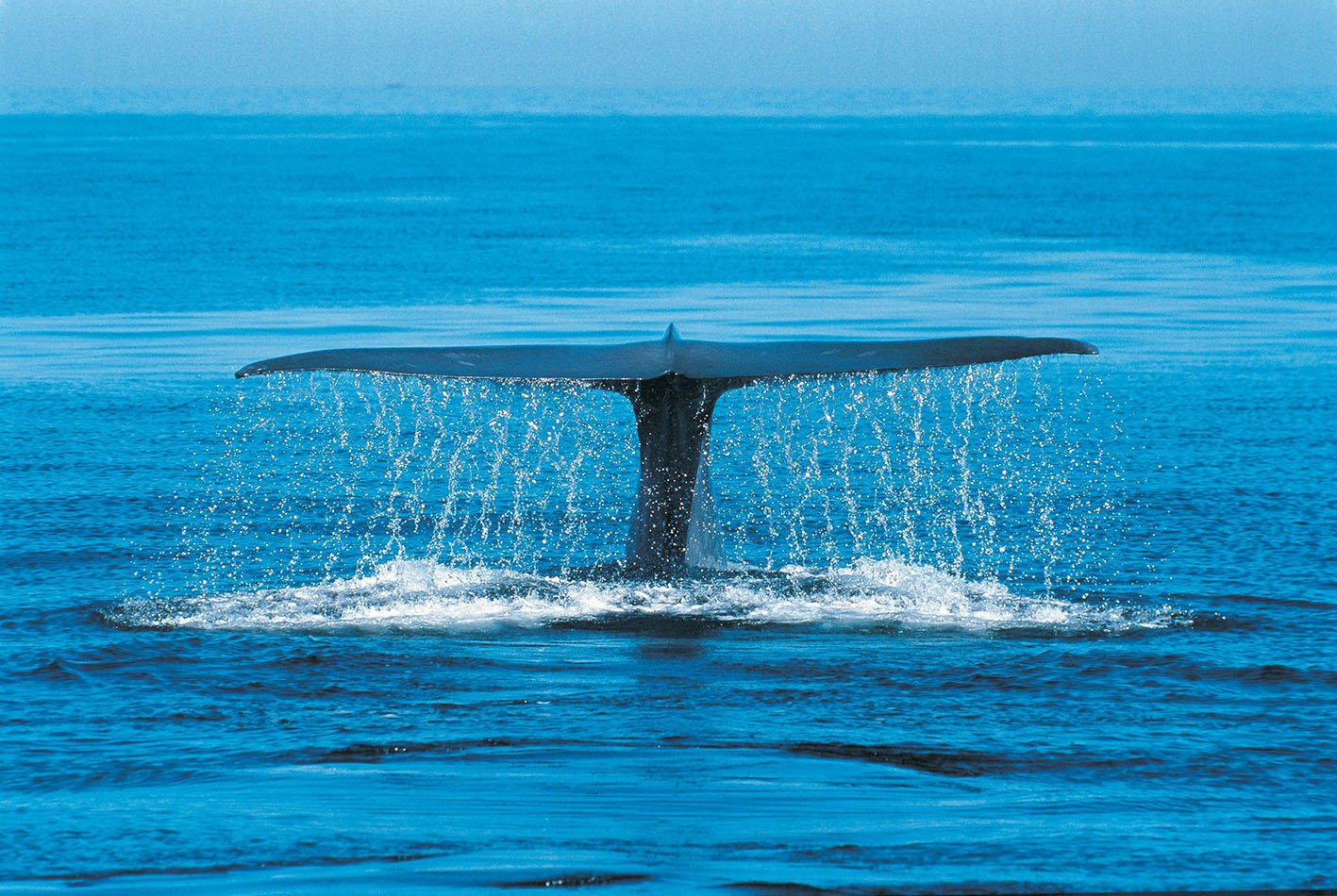
Boat-based tours get you the closest to the whales—sometimes surprisingly close. These trips last about 2-3 hours and leave from harbors in Cape Town, Hermanus, and Gansbaai.
Most packages include marine wildlife beyond just whales. The Marine Big 5 tours are a thing: whales, dolphins, seals, sharks, and African penguins all in one outing.
Land-based tours mix whale watching with other activities. Some popular combos:
- Hermanus whale watching with wine tasting
- Cape Peninsula tours with whale spotting stops
- West Coast flower and whale viewing combinations
Specialized excursions are also available. Some operators focus on photography tours during peak whale season, while others offer educational trips with marine biologists.
For something different, there are walking tours like the Whale Trail—a multi-day, 55-kilometer hike with plenty of land-based whale viewing along the way.
Tour Operators and Booking Tips
Marine Dynamics is based in Gansbaai and runs guided 2.5-hour trips year-round, focusing on the Marine Big 5.
Simons Town Boat Company does whale watching tours from False Bay, often with a side of dolphin viewing.
Apex Shark Expeditions offers tours from both Cape Town and Gansbaai, specializing in whale watching experiences from June through November.
Booking recommendations:
- Book tours 2-3 days in advance if you're visiting during peak season
- Morning trips usually mean calmer seas
- Always check the weather before booking
- Ask operators about their whale sighting policies
Expect to pay between R500-R1500 per person, depending on the length of the trip and what's included.
Family-Friendly Options
Most whale watching tours are fine for kids over 2. Boat tours provide life jackets in all sizes, so that's not a worry.
Best family options include:
- Shorter 2-hour boat excursions
- Land-based viewing from Hermanus harbor
- Train trips between Muizenberg and Simon's Town during whale season
False Bay is especially good for families who want to watch whales from land. Boyes Drive and Cape Point are easy spots for kids and adults alike.
Some tour companies even hand out educational materials for kids, like whale ID guides and marine life fact sheets. It's a nice touch.
Responsible and Ethical Tour Practices
Licensed whale watching boats have to keep at least 300 meters away from Southern right whales. It's the law, and for good reason.
Responsible practices include:
- Sticking to marine wildlife protection rules
- Using qualified marine guides
- Supporting local conservation efforts
- Never harassing the whales
Reputable operators help with whale research and report their sightings to marine conservation groups. It's worth checking if your chosen tour does this.
Look for operators with all the right permits and insurance. Qualified guides should give you accurate info about whale behavior and conservation—it's not just about spotting whales, after all.
Many companies also support the local community through jobs and conservation funding, which helps protect whale habitats for the long haul.
Land-Based Whale Watching Versus Boat Excursions
Cape Town gives you two main whale watching experiences: watching from shore or heading out on a boat. Land-based spots are free and comfortable, while boat tours get you up close with the whales—each has its perks, depending on what you're after.
Best Spots for Land-Based Viewing
False Bay is probably the top pick near the city. The coastline has plenty of high points for clear whale views.
Boyes Drive between St James and Kalk Bay is famous for its elevated viewing spots. There are loads of pull-offs where you can stop, park, and scan the water for whales.
Cape Point has panoramic ocean views that are ideal for spotting whales. Being up high really helps you see spouts and breaches from a distance.
Clarence Drive between Gordon's Bay and Rooi Els is another great coastal stretch. The road hugs the water, and Southern Right whales often swim close to shore here.
Even the train between Muizenberg and Simon's Town can be a moving whale watching platform during the right season. The railway runs right along the coast, so keep your eyes peeled on the journey.
Pros and Cons of Boat Tours
Boat tour advantages include close-up whale encounters and professional guides. Tours can approach whales within regulated distances for better photo opportunities.
Marine tour operators run trips year-round, with different whale species depending on the season. Visitors see Humpback and Bryde's whales from January to May, then Southern Right whales from June to December.
Boat tour disadvantages involve cost, weather dependency, and seasickness risks. Tours get canceled during rough weather or high winds.
The ocean experience is pretty different from viewing whales on land. Boats provide 360-degree access to the sea, but you definitely miss the comfort and flexibility of shore-based watching.
Tour durations typically last 2.5 hours, and there’s no guarantee of whale sightings. Land-based viewers can stay as long as they want and leave when ready.
Notable Viewing Points: Kalk Bay, Simon's Town, and More
Kalk Bay is a great spot for accessible whale watching along its scenic coastline. The harbor and nearby Boyes Drive section offer multiple viewing angles of False Bay.
Visitors can pair whale watching with exploring Kalk Bay’s shops and restaurants. The elevated roads above the town turn into natural viewing platforms during whale season.
Simon's Town serves as both a land-based viewing spot and a boat tour departure point. The naval town's waterfront areas offer close shore access for whale spotting.
The Simon's Town to Muizenberg train route runs right along the False Bay coast. If you’re lucky, you can watch for whales through the train windows during the journey.
Hermanus is still the world-famous whale watching destination about 120 kilometers from Cape Town. The town features dedicated viewing terraces and a Whale Crier who alerts visitors to whale locations with a kelp horn.
More than Whales
Wildlife Encounters Beyond Whales
Cape Town's marine environment supports a variety of species all year, from dolphin pods and penguin colonies to great white sharks and unique seabirds. The Cape Peninsula creates distinct habitats, attracting different wildlife each season.
Dolphins and Marine Birds
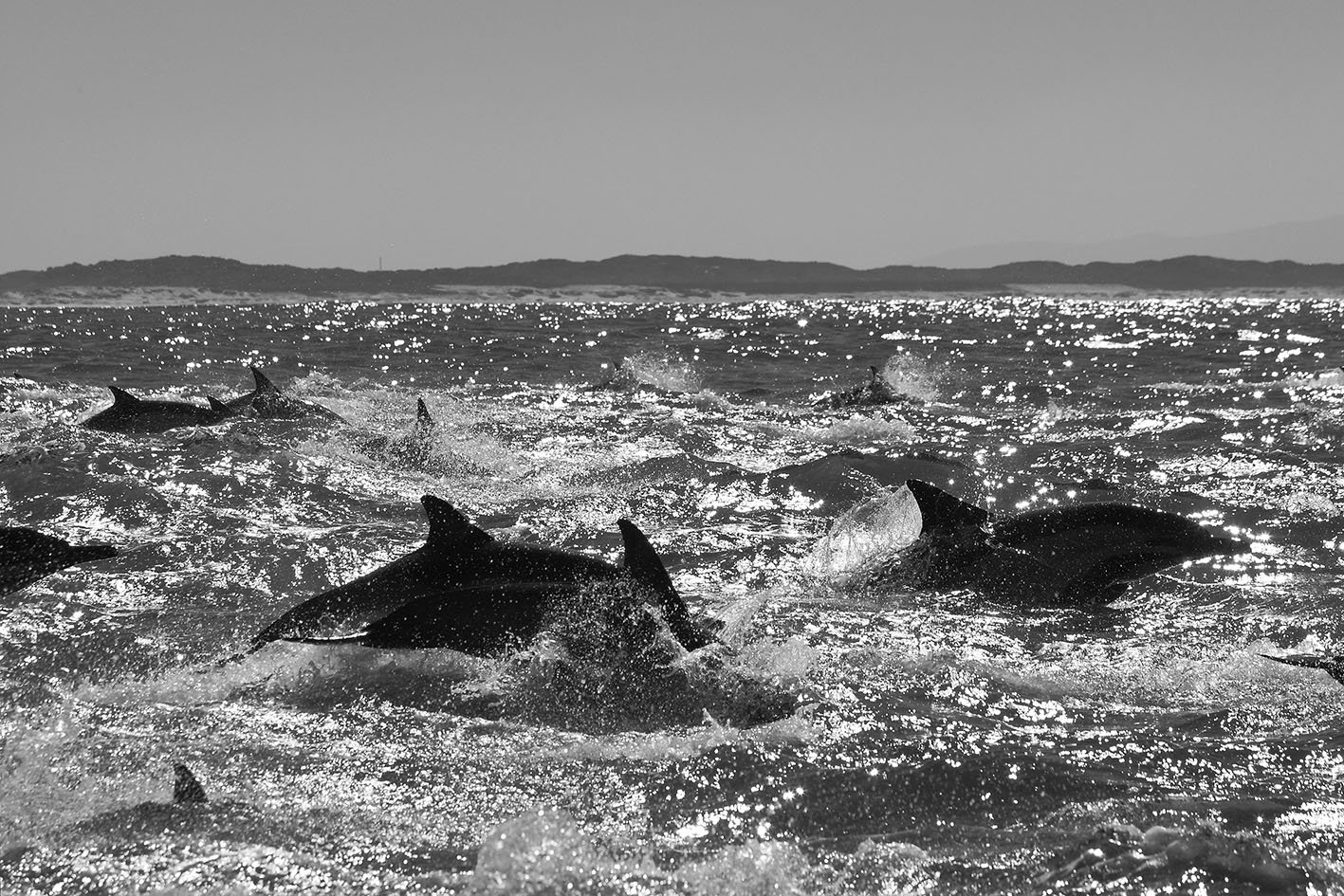
Four dolphin species show up regularly in Cape Town waters. Common dolphins form the largest groups, with pods of over 500 animals hunting anchovy and sardine near Table Bay and the Cape Peninsula.
Bottlenose dolphins prefer False Bay’s warmer waters. These larger dolphins often approach boats and behave curiously around swimmers.
Endemic Species:
- Heaviside's dolphins (found only near the Cape)
- Dusky dolphins (highly acrobatic and social)
Seabirds create spectacular feeding frenzies above dolphin pods. Cape cormorants, gannets, and African penguins dive for the same fish schools that attract dolphins.
Sunbirds add some color to mountain areas near the coast. These little birds feed on flowers and can be spotted during land-based wildlife tours.
Penguins, Seals, and Sharks
Boulders Beach is home to the famous African penguin colony. Over 2,000 penguins nest here year-round, making it one of the rare places you can walk among wild penguins safely.
The best penguin viewing is from May to September during breeding season. Wooden walkways protect both visitors and nesting birds.
Seal Island in False Bay supports about 60,000 Cape fur seals. Boat trips from Simon's Town offer close encounters with playful seals and pups.
Great white sharks patrol these waters, drawn by the seal colonies. Cage diving operators work from nearby Gansbaai, though sharks sometimes appear near Cape Point.
Marine Wildlife Hotspots:
- Seal Island (seals and sharks)
- Boulders Beach (penguins)
- Kalk Bay (dolphins and seabirds)
Cape Peninsula's Unique Marine Ecosystem
The Cape Peninsula sits where warm Indian Ocean and cold Atlantic waters meet. This creates rich feeding areas that support diverse marine life throughout the year.
False Bay’s sheltered waters stay warmer in winter. Southern right whales, Bryde’s whales, and various dolphin species prefer this protected environment.
The Atlantic side gets stronger currents and colder temperatures. These conditions attract different species and create feeding areas where humpback whale supergroups gather in summer.
Seasonal Wildlife Patterns:
- Winter (June-November): Peak whale activity, penguin breeding
- Summer (December-May): Humpback feeding groups, Bryde's whale sightings
- Year-round: Dolphins, seals, resident seabirds
Marine tours often include multiple species in a single trip. Visitors regularly spot whales, dolphins, seals, and seabirds during three-hour boat excursions from Simon’s Town or Hout Bay.
Essential Tips for a Memorable Whale Watching Experience
Proper preparation and the right equipment can really transform your Cape Town whale watching experience. Knowing what to bring, how to get the best photos, and respecting marine wildlife all make a difference.
Preparation and What to Bring
Clothing is the foundation of comfort during whale watching tours. It’s smart to dress in layers since ocean temperatures change quickly throughout the day.
A waterproof jacket helps with ocean spray and sudden weather changes. Non-slip shoes with good grip are a must for wet boat decks.
Essential items include:
- Sunscreen with SPF 30 or higher
- Hat with a chin strap
- Sunglasses with UV protection
- Motion sickness medication taken 30 minutes before departure
- Snacks and water for longer tours
The sun reflects off the water with surprising intensity. Even on cloudy days, UV rays are still strong out on the ocean.
Timing affects what you’ll need. Morning tours call for warmer clothing, while afternoon trips need extra sun protection.
Visitors should arrive 30 minutes early for boat tours. That way, there’s time for safety briefings and equipment checks.
Photography and Binocular Recommendations
Camera equipment helps you capture whale behaviors that happen in a flash. A camera with at least a 300mm zoom lens gives you clear shots from a safe distance.
Key camera settings include:
- Fast shutter speed (1/500s or faster)
- Continuous autofocus mode
- Burst mode for multiple shots
Binoculars really enhance the experience. 8x42 or 10x42 models offer a great balance of magnification and stability on a moving boat.
Waterproof cases protect your gear from salt spray. Camera straps are a lifesaver to prevent dropping anything overboard.
Battery management is important during 3-4 hour tours. Bring fully charged spare batteries and memory cards—running out mid-trip is the worst.
Photography etiquette means respecting other passengers’ space. Never use flash; it disturbs the whales.
The best whale photos capture natural behaviors like breaching or tail slapping. Sometimes, patience is the real key to getting an amazing shot.
Safety and Environmental Awareness
Boat safety means following the crew’s instructions at all times. Stay seated when whales approach, and don’t lean over railings.
Distance regulations require staying at least 100 meters from whales. Licensed operators stick to these rules for everyone’s safety.
Environmental respect includes:
- No littering in the ocean
- Quiet observation to avoid disturbing whales
- No feeding of any marine life
- Proper waste disposal on boats
Motion sickness prevention is easier if you sit in the boat’s center where movement feels less intense. Looking at the horizon helps too.
Emergency procedures are explained during safety briefings. Take a minute to spot the life jackets and emergency exits before you head out.
Weather awareness helps visitors prepare for changing conditions. Tours may be cancelled in rough seas, and honestly, that’s for the best.
Planning Your Cape Town Whale Watching Adventure
Success often comes down to picking the right transportation to coastal viewing areas and booking accommodation near prime whale watching spots. Many visitors combine whale watching with penguin colonies, wine tours, or just scenic drives for a more complete Cape Town experience.
How to Get There and Transportation
Cape Town International Airport is the main entry point for international visitors. It’s about 20 kilometers from the city center, with shuttle services, rental cars, and ride-sharing options available.
Rental cars give you the most flexibility for getting to whale watching locations. The drive to Hermanus takes about 90 minutes via the N2 highway. Simon’s Town is a 45-minute trip through scenic coastal roads.
Tour operators offer transportation packages with hotel pickup. These services take the stress out of parking and provide some local know-how. Most tours depart from the V&A Waterfront or major hotels.
Public transport reaches some whale watching areas, but it’s a bit of a mission with transfers. The Metrorail connects Cape Town to Simon’s Town in about an hour. Buses serve Hermanus, but expect a 2-3 hour trip and limited schedules.
Hout Bay is 30 minutes from central Cape Town via Chapman’s Peak Drive. The route is stunning, though it sometimes closes during high winds.
Accommodation in Prime Whale Watching Regions
Hermanus has the widest range of whale watching accommodation. Guesthouses and hotels line the cliff paths with direct ocean views. The Marine Hotel is a top pick for luxury rooms overlooking Walker Bay.
Budget travelers find backpacker lodges and self-catering apartments in the town center. These spots sit within walking distance of the whale watching platforms along the cliff path.
Simon's Town offers historic guesthouses and boutique hotels near the penguin colony. The Quayside Hotel overlooks False Bay, where whales often show up. Several bed-and-breakfasts provide personal service and local tips.
Hout Bay has seaside hotels and vacation rentals. It’s a solid choice if you want to combine whale watching with Cape Peninsula tours. Properties here make boat-based whale watching tours easy to access.
Cape Town city hotels are still popular for day-trippers heading out to whale watching areas. The V&A Waterfront hotels are especially convenient for boat tours departing from the harbor.
Combining Whale Watching With Other Activities
The Cape Peninsula tour practically begs to be paired with whale watching. You can catch sight of penguins at Boulders Beach in Simon's Town, then wander over to the harbor for a whale watching boat—makes for a pretty great day, honestly.
After a morning out spotting whales, wine estates in the Hermanus area start calling your name. The Hemel-en-Aarde Valley is right there, turning out some really solid wines just a few minutes from all the whale action.
Hout Bay? It's got those Seal Island boat trips and the winding Chapman's Peak scenic drive. Both fit nicely alongside an afternoon whale watching cruise from the harbor—if you like cramming in as much as possible, anyway.
If you're staying in Cape Town, Table Mountain and the city sights are still easy to reach. With morning whale watching trips, there's still time for an afternoon cable car ride or some waterfront dining (which, let's be honest, is half the fun).
The Garden Route stretches whale watching into a longer adventure. Some tours will tie together Hermanus whale watching, a stop at Knysna lagoon, and even a wander through the Tsitsikamma forest. Not a bad way to spend a few days.